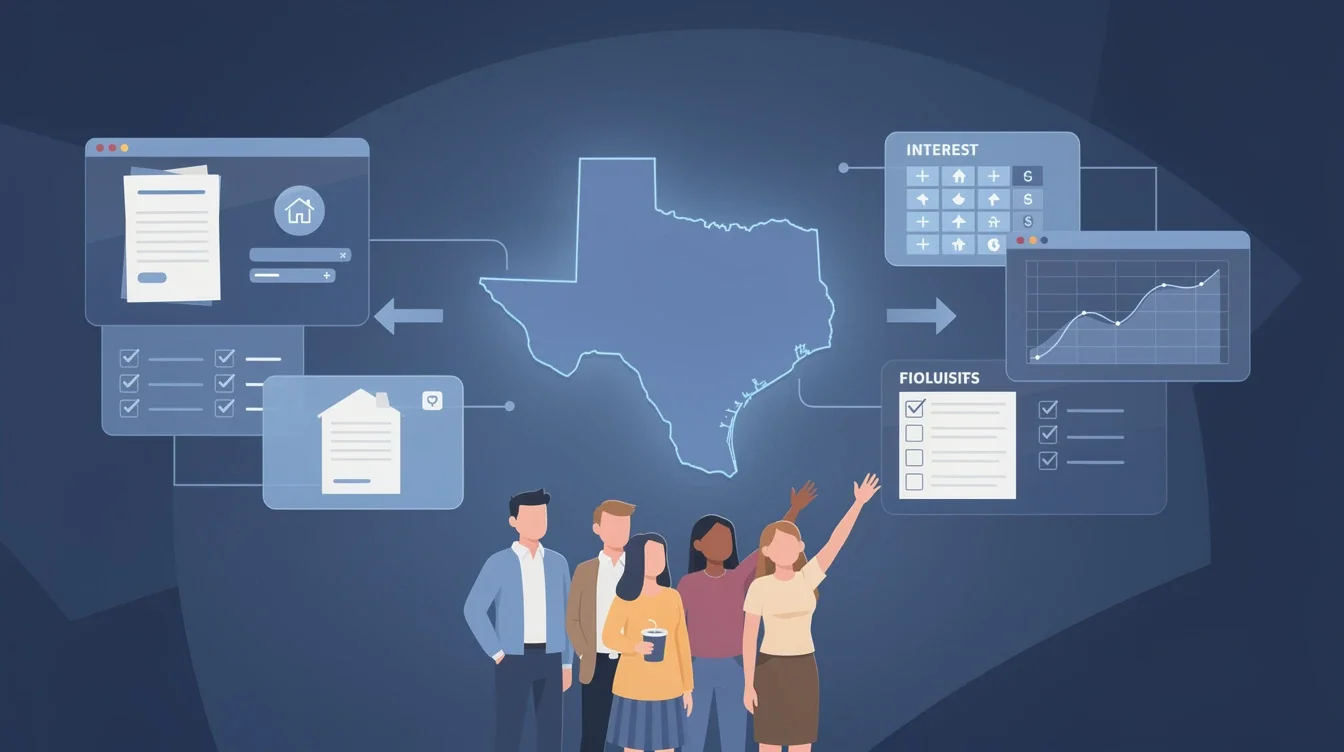
If you’ve ever gotten a letter saying your mortgage servicer is changing, you know it can feel a bit unsettling. Suddenly, you’ve got a new company handling your payments, escrow, and questions. And if you’re in Texas, you might have some extra questions about how it all works here. As your friends at Casey Sullivan Mortgage, we’re here to demystify the whole process—whether you’re just curious, or you’re right in the thick of a servicer switch. Let’s break it all down to gether, so you can feel confident with every step.
What Does a Mortgage Servicer Do?

Before we get into switching, let’s make sure we’re on the same page. Your mortgage servicer is the company that manages your home loan after closing. They collect your monthly payments, pay your taxes and insurance from escrow, send you statements, and help with any questions or issues you have about your loan. Sometimes, they’re the same company that gave you the loan, but often they’re not.
Here’s the thing: mortgage servicing rights are often bought and sold between companies. This isn’t unusual, and it doesn’t mean anything is wrong with your loan or your home. It’s just a business decision between lenders and servicers. But as the homeowner, it means you might get notified that your servicer is changing—even if your lender stays the same.
Pro tip: Always open mail from your mortgage company, even if it looks boring. Important info about servicing transfers will come by mail, and you don’t want to miss it.
Why Do Mortgage Servicers Change?
You might wonder why your mortgage is suddenly being handled by a new company. The answer is pretty simple: mortgage loans are assets, and servicers can buy, sell, or transfer the rights to manage them. It’s kind of like trading baseball cards—except with home loans.
Some common reasons servicers switch:
- The original lender sells the loan to free up cash for new loans.
- A servicer decides to exit the market or scale back operations.
- Another company offers to buy a group of servicing rights.
In Texas, with our booming housing market and competitive lending environment, these transfers are common. But don’t worry—your loan terms, interest rate, and monthly payment won’t change just because the servicer does. The new servicer is legally required to honor your existing agreement.
Pro tip: Keep your original mortgage documents handy. If you ever have doubts or questions, you can double-check your terms and reassure yourself nothing has changed.
The Servicing Transfer Process
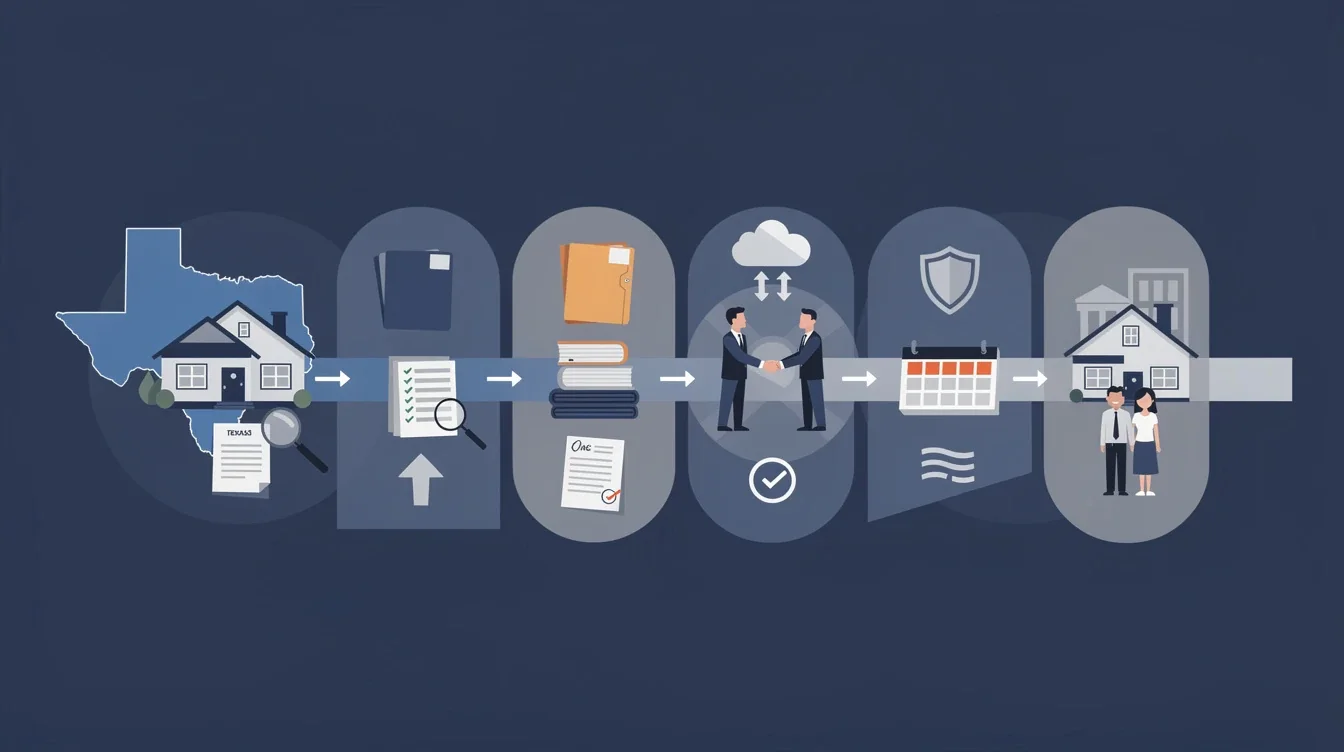
Okay, here’s where the rubber meets the road. If your mortgage servicer is switching, you’ll get two important letters: one from your current servicer, and one from the new one. These are called “goodbye” and “hello” letters. They’ll include the transfer date, your new payment address, and contact info for the new servicer.
Here’s what to expect:
- At least 15 days’ notice: By law, you’ll get notified at least two weeks before your servicer changes.
- No penalty period: For 60 days after the transfer, you can’t be charged late fees if you accidentally send your payment to the old servicer.
- Escrow transfers: If you pay taxes and insurance through escrow, your escrow account will move over to the new servicer automatically.
It’s normal to feel a little nervous when you get these letters. But as long as you follow the instructions and start sending payments to the new servicer on the right date, you’ll be just fine.
Pro tip: As soon as you get notice of a transfer, set a reminder for when your payment should go to the new company, and update your online banking if you pay automatically.
Protecting Yourself During the Switch
Let’s talk about staying safe during a servicer switch. Unfortunately, scammers know that people get confused during these transitions—so they’ll sometimes send fake letters or emails trying to steal your money or information.
Here’s how to protect yourself:
- Double-check that any notification comes from your actual servicer, not a random address or email.
- Call your old servicer using the number on your last statement if you’re ever unsure about a notice.
- Never send payments to a new address until you’ve confirmed the switch is legitimate.
And don’t forget: you should never be asked for upfront fees to “complete your transfer” or “activate your new account.” That’s a red flag for a scam.
Pro tip: Save all correspondence from both your old and new servicers. If there’s ever a mix-up, having a paper trail will help clear things up quickly.
What to Do After the Switch
Once your mortgage servicer has officially changed, you’ll want to make sure everything is running smoothly. Here’s what to do:
- Confirm that your payment was received by the new servicer and applied correctly.
- Check your escrow balance and make sure taxes and insurance payments are up to date.
- Review your first new statement for any errors or unexpected fees.
This is also a good time to set up online access to your new account. Most servicers offer online portals where you can track your payments, see your balance, and review your escrow. It’s a great way to stay on top of things and catch any issues early.
If you’re ever unsure about something—whether it’s a payment, a charge, or just how to log in—reach out. At Casey Sullivan Mortgage, we always recommend calling your new servicer directly or talking to your mortgage team. There’s no such thing as a silly question when it comes to your home.
Pro tip: If you use bill pay or auto-draft, double-check that your payment info matches your new servicer’s details. A five-minute check now saves a lot of hassle later.
When to Consider Refinancing Instead
Sometimes, a servicer switch gets you thinking about your whole mortgage situation. Maybe you’re not happy with your new servicer’s customer service. Or maybe the switch makes you wonder if you could get a better rate or loan terms. That’s when refinancing could come into play.
Refinancing is different from a servicer transfer—it means getting a brand new loan, potentially with a different lender, interest rate, or loan type. If your current loan no longer fits your needs, or if rates have dropped since you bought your home, it may be worth a conversation.
Here in Texas, refinancing can also be a good move if you want to tap into your home equity, shorten your loan term, or switch from an adjustable-rate to a fixed-rate mortgage. At Casey Sullivan Mortgage, we love helping clients explore their options and find the right fit—especially when a servicer switch has you thinking about what’s possible.
Pro tip: If you’re considering refinancing, don’t wait until you’re frustrated. Reach out to your mortgage advisor early so you can weigh the pros and cons in a calm, informed way.
Related Articles
Conclusion
Switching mortgage servicers is a normal part of homeownership, especially in Texas’s fast-moving housing market. While it can be a little nerve-wracking at first, knowing what to expect makes all the difference. Remember, your loan terms stay the same, your rights are protected, and you’re never alone in the process.
If you ever have questions—or just need some friendly advice—the Casey Sullivan Mortgage team is here for you. We believe in clear communication, hands-on support, and making the mortgage process as smooth as possible. No matter who services your loan, you’ve got a team cheering you on, every step of the way.