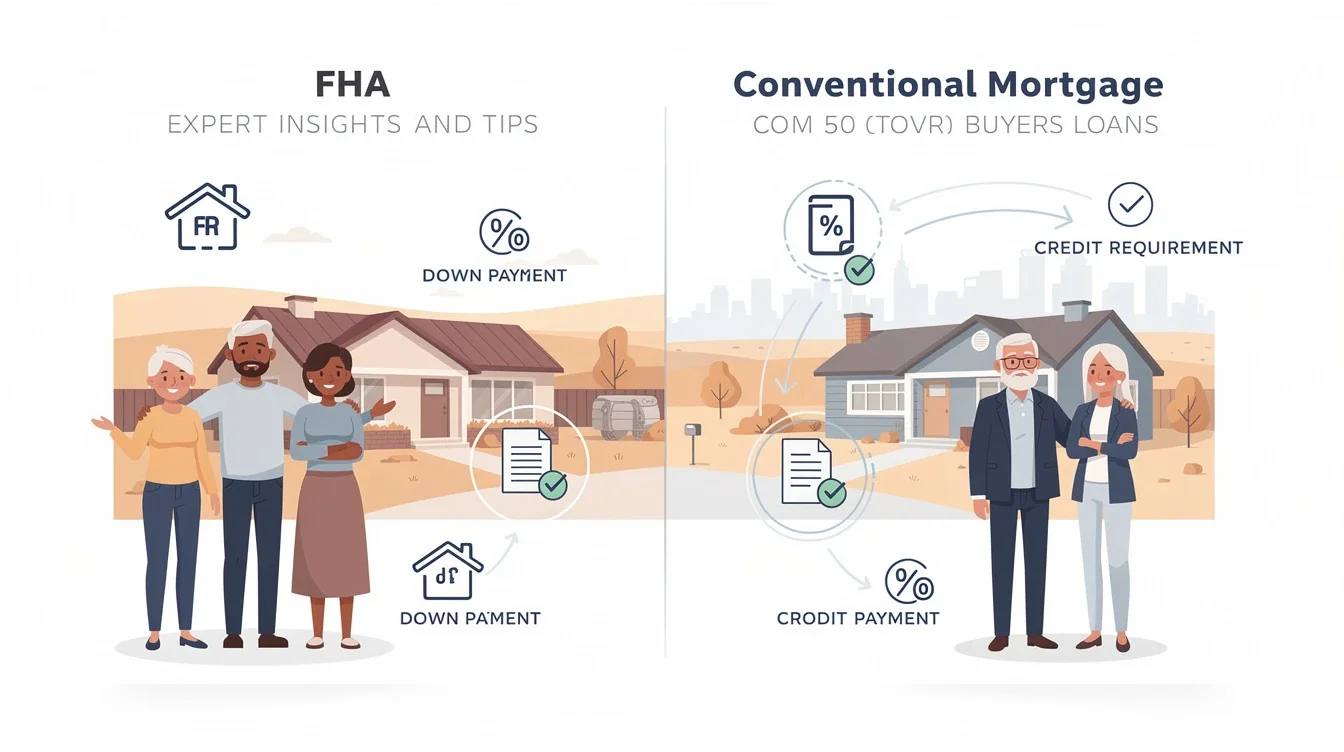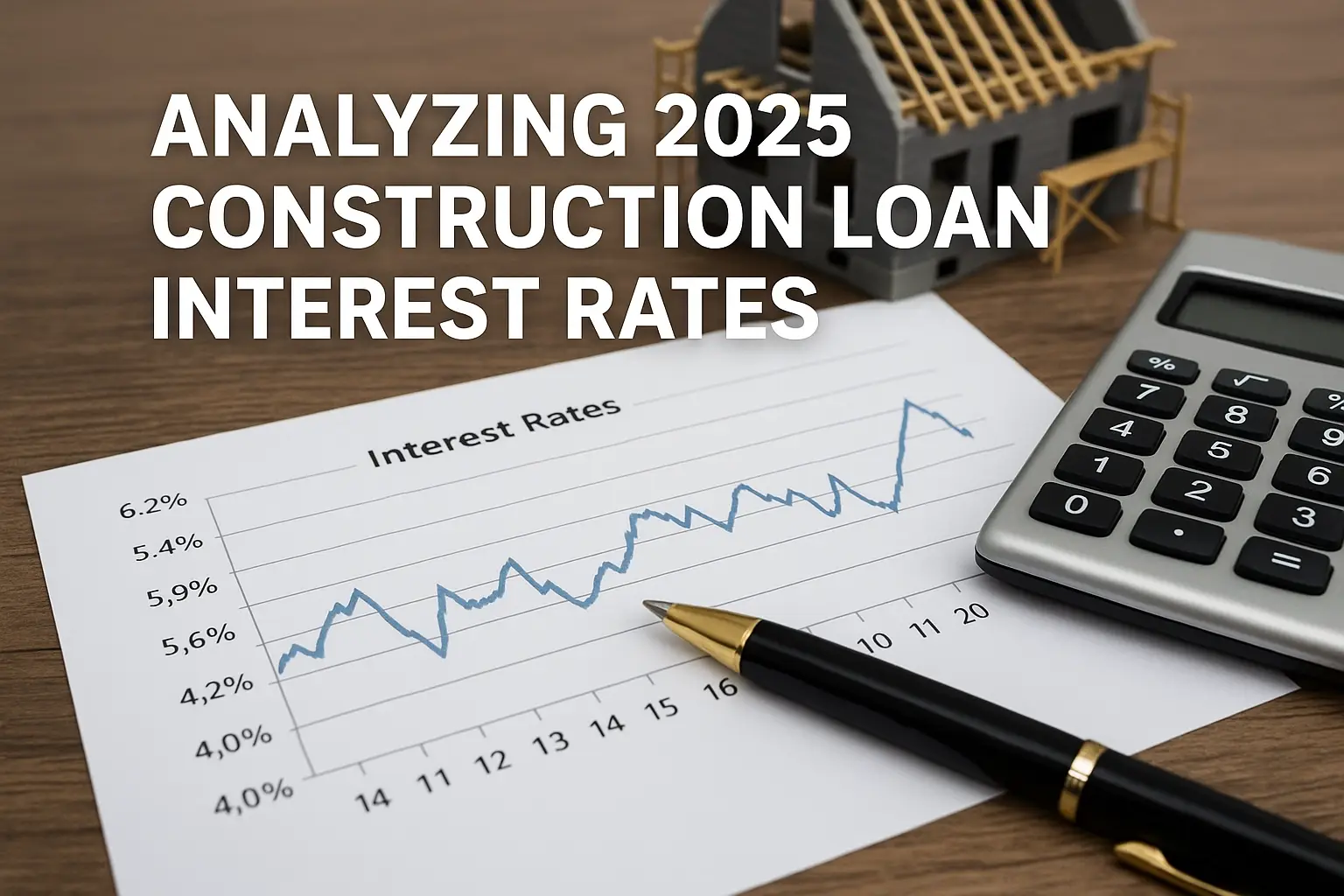
Buying a home in Texas when you’re over 50 is both exciting and, let’s be honest, a little bit nerve-wracking. Maybe you’re downsizing, looking for your dream retirement spot, or investing in a second home near the grandkids. Whatever your motivation, one thing’s for sure: the world of mortgages can feel like a maze. Two of the most common options you’ll hear about are FHA and conventional loans. But which one’s right for you? At Casey Sullivan Mortgage, we believe in making things simple and personal, so let’s break it down to gether.
FHA Loans: What Makes Them Special?

When most folks think of FHA loans, they imagine first-time buyers or people with less-than-perfect credit. But did you know FHA loans can be a solid choice for buyers over 50, too? FHA loans are backed by the Federal Housing Administration, which means lenders can take on a bit more risk and offer friendlier terms.
For Texas buyers over 50, FHA loans can be attractive for a couple of reasons. Maybe your credit took a hit after a divorce, a medical event, or a business downturn. FHA loans are generally more forgiving with credit scores, sometimes allowing buyers with scores as low as 580 to qualify with a 3.5% down payment. That’s a big plus if you’re worried about your score holding you back.
Another thing to love: FHA loans allow gifts from family for your down payment and closing costs. So if your kids (or even grandkids!) want to help you get settled in your new place, that’s totally allowed.
Pro tip: If you’re recently retired or planning to retire soon, FHA lenders can use “imputed income” from your retirement assets to help you qualify—even if you’re not drawing on those assets yet.
Conventional Loans: Flexibility and Long-Term Savings
Conventional loans, on the other hand, aren’t government-backed. They’re the classic, tried-and-true home loan—what most people think of when they picture a mortgage. The requirements can be a bit stricter than FHA, but there are some real benefits, especially for buyers with solid credit or more substantial savings.
For starters, conventional loans can save you money in the long run. Unlike FHA loans, which require mortgage insurance (MIP) for the life of the loan if you put down less than 10%, conventional loans let you drop private mortgage insurance (PMI) once you’ve got 20% equity in your home. Over time, that can mean thousands of dollars in savings—money you can use for travel, hobbies, or spoiling the grandkids.
Conventional loans also offer more options. Want to buy a fixer-upper and roll renovation costs into your loan? Looking to purchase a vacation home by the lake or an investment property in Austin? Conventional loans are often the ticket.
Pro tip: If you’ve recently paid off debts or closed old accounts, wait until after your mortgage closes to open new credit cards or take out car loans. New credit activity can impact your approval on a conventional loan.
Unique Needs of Texas Buyers Over 50
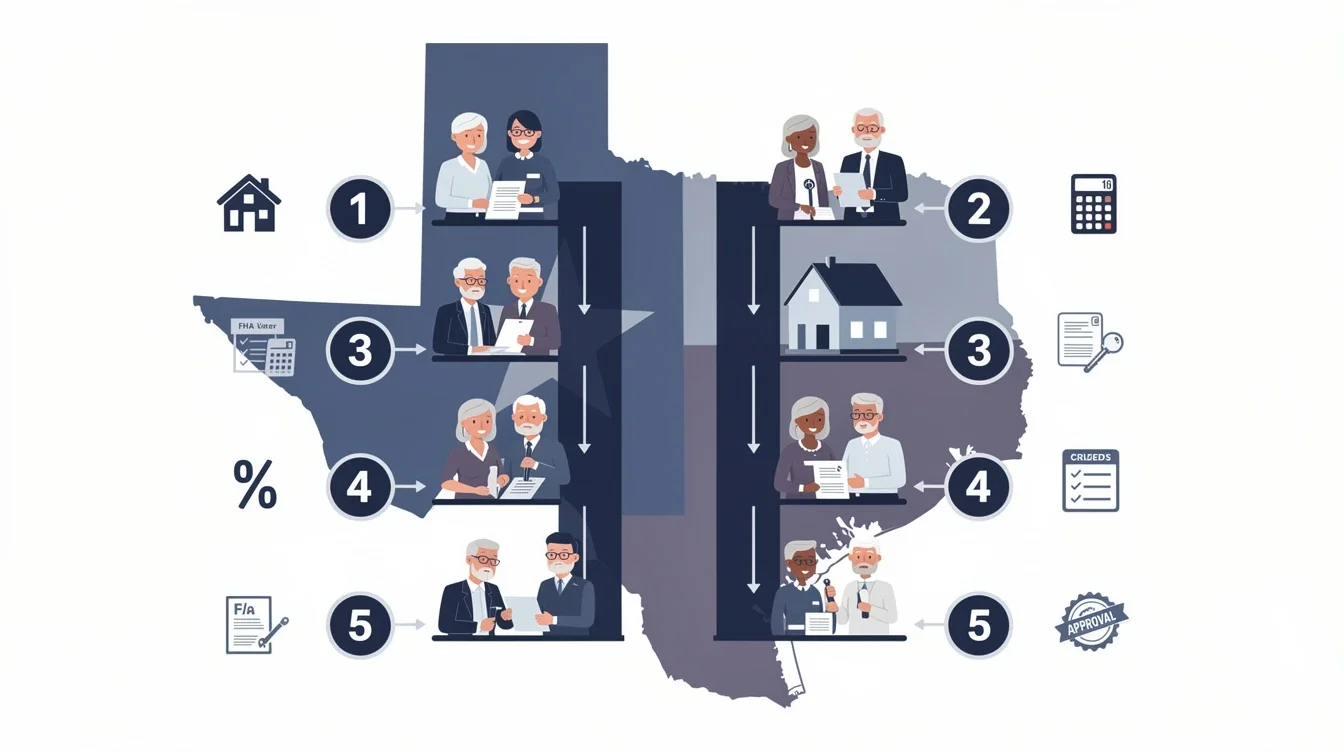
Let’s be real—your needs and priorities at 50+ are different from a 25-year-old’s. Maybe you’re thinking about accessibility, looking for a single-story home, or planning for lower maintenance as you age. Maybe you want to keep monthly payments as low as possible, or you’re hoping to leave a little something extra for your family.
With FHA and conventional loans, the rules around income, assets, and credit can play out differently for buyers over 50. If you’re retired or nearing retirement, lenders will look at things like Social Security, pension income, and retirement accounts to determine how much house you can afford. Documentation is key, and having a lender like Casey Sullivan Mortgage who understands the nuances for older buyers can make all the difference.
Here’s another consideration: Many buyers over 50 are thinking about downsizing. If you’re selling a larger home and using the proceeds to buy something smaller, you might qualify for a conventional loan with a big down payment—or even pay cash and use a smaller mortgage to keep your liquidity intact.
Pro tip: If you’re on a fixed income, ask your mortgage advisor to run the numbers for a 15-year versus a 30-year loan. Sometimes, shorter terms can save thousands in interest, but the monthly payment needs to fit your budget.
Credit, Down Payments, and Qualifying
Let’s talk numbers. FHA loans are famous for their flexibility, but they still require a minimum credit score—usually 580 for that 3.5% down payment, or 500 if you can put down 10%. Conventional loans typically require at least a 620 score, but the best rates go to those above 740.
For down payments, FHA’s 3.5% minimum is pretty attractive, especially if you’re moving from renting or don’t want to tie up all your cash in a house. Conventional loans can go as low as 3% down for qualified buyers, but you’ll need strong credit and a good debt-to-income ratio to snag those deals.
Another thing to consider: FHA loans have upfront and annual mortgage insurance premiums, regardless of your down payment. Conventional loans require PMI if you put down less than 20%, but that PMI can eventually be removed.
Your assets—like retirement accounts, savings, and even your current home’s equity—can all be part of your qualifying picture. The key is working with a mortgage team that knows how to document everything properly and advocates for you with underwriters.
Pro tip: Document all sources of income, including Social Security, annuities, and required minimum distributions from retirement accounts. Lenders can often count more income than you might expect.
Costs, Fees, and Long-Term Considerations
Let’s face it: Nobody likes surprise costs. FHA loans tend to have lower upfront interest rates, but their mortgage insurance costs can add up over time. The upfront mortgage insurance premium (UFMIP) is 1.75% of the loan amount, and annual premiums are required for the life of the loan unless you put down at least 10% (in which case, it lasts 11 years).
Conventional loans can have slightly higher interest rates, but the real savings kick in once you hit that 20% equity mark and can drop PMI. Plus, closing costs can sometimes be lower on conventional loans, especially if you’re a well-qualified buyer.
When you’re over 50, you might be thinking about how long you’ll stay in your next home. If it’s your “forever” home, you’ll want to factor in the long-term costs of mortgage insurance. If you’re planning to move again in a few years, the upfront savings of an FHA loan might make more sense.
Pro tip: Ask your mortgage advisor for a side-by-side comparison of total costs—including interest, insurance, and fees—over the time you expect to own your home. Sometimes, the best choice isn’t obvious until you see the big picture.
How Casey Sullivan Mortgage Can Help
At Casey Sullivan Mortgage, we know that buying a home in your 50s, 60s, or beyond isn’t a one-size-fits-all situation. We take a hands-on, team-based approach—walking you through every step so you can make confident decisions.
We’ll start by getting to know your goals, your budget, and your dreams for this next chapter. Whether you’re leaning toward FHA or conventional, we’ll help you crunch the numbers, gather the right documents, and navigate any curveballs that come your way. Our team’s been through it all, and we’re here to make your mortgage experience smooth, educational, and even a little bit fun.
Pro tip: Don’t be shy about asking questions! The mortgage world is full of jargon, but we’re here to translate and make sure you feel comfortable every step of the way.
Conclusion
Choosing between an FHA and a conventional mortgage loan as a Texas buyer over 50 doesn’t have to be overwhelming. Both options have unique benefits, and the right choice depends on your credit, your finances, your homeownership goals, and your plans for the future. At Casey Sullivan Mortgage, our personal, service-oriented approach means you’re never just a number—we’re your partners in finding the best path forward. Ready to make your next move? Let’s talk it through to gether. Your dream home is waiting, and we’ll help you get there.