
So, you’ve packed up your life, changed your address, and landed in a brand-new state. You’re probably juggling everything from finding the best local pizza to figuring out where to get your car inspected. But there’s one big question you’re probably asking: What are my mortgage options now that I’ve moved? At Casey Sullivan Mortgage, we help folks just like you navigate the ins and outs of home loans after a big move—whether you’re coming to Texas or headed anywhere else in the country. Let’s chat about what you need to know if you’re planning to buy a home after relocating in 2026.
Why Relocating Changes Your Mortgage Choices

Moving to a different state brings a mix of excitement and uncertainty. Suddenly, the rules are a little different. The housing market isn’t the same as back home, and the mortgage process can feel like learning a new language. Each state has its own property taxes, insurance quirks, and even lender preferences. Plus, if you’re switching jobs or industries, lenders might look at your application a bit differently.
Here’s the good news: You’ve got more options than you might think. And with a little help from a team that knows the ropes in all 50 states (that’s us!), you don’t have to figure it out alone.
Pro tip: Before you start house hunting, get a sense of the local market and lending requirements. Some states have down payment assistance programs or first-time buyer perks you won’t want to miss.
Understanding Mortgage Basics After a Move
Let’s start with the basics. When you relocate, your mortgage options are shaped by a few key factors: your employment situation, your credit, and your residency status. Lenders want to make sure you’re financially stable, especially if you’ve just started a new job or switched careers. If you’re transferring within the same company, you’re usually in good shape. If you’re starting fresh, expect a few more questions.
You’ll also need to provide proof of your new address and, in many cases, proof of income from your new employer. The good news? Most loan programs—like conventional, FHA, VA, and USDA—are available nationwide. The challenge is making sure you meet the requirements in your new state.
Pro tip: Keep all your job offer letters, pay stubs, and relocation documents handy. Lenders love paperwork, and having everything organized will make the process smoother.
Popular Mortgage Programs for Movers
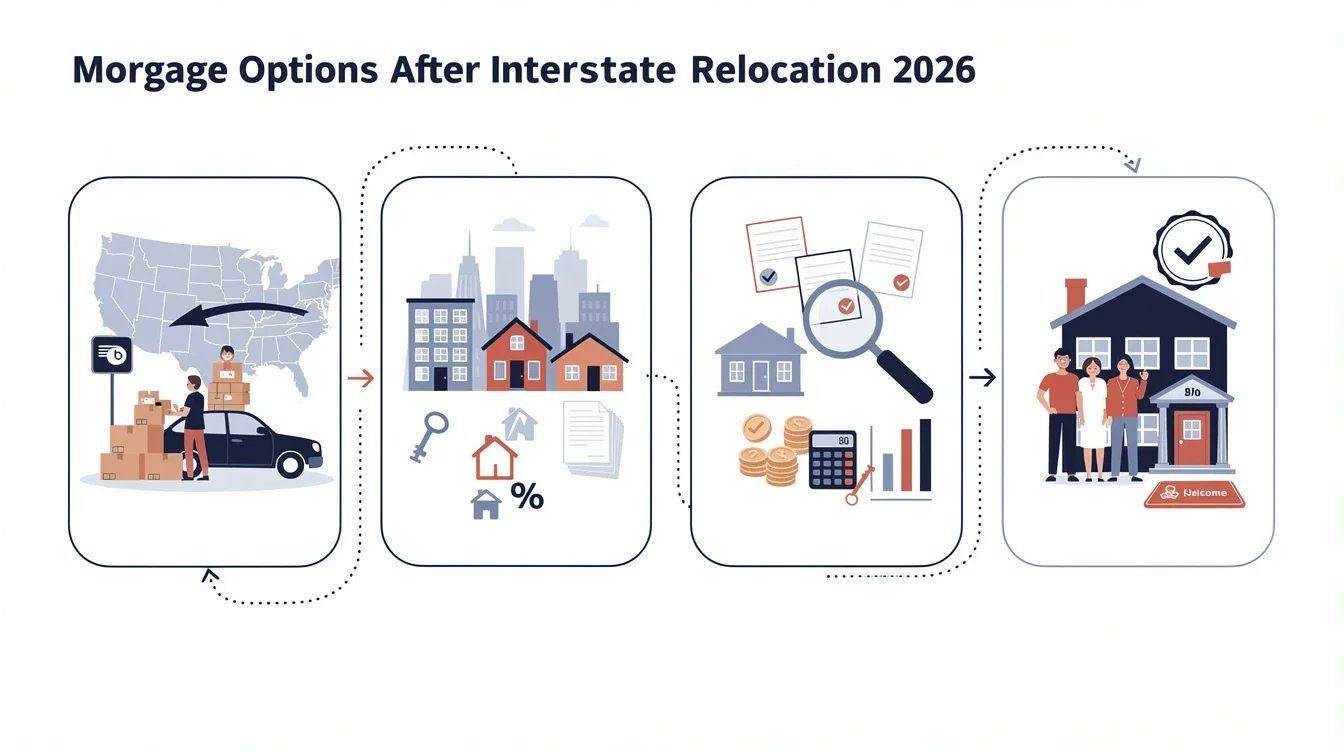
After a big move, you’ll want to find the loan that fits your new life. Here’s a quick look at the main mortgage options you’ll see in 2026:
- Conventional Loans: These are the bread-and-butter mortgages. They work in every state, come with competitive rates, and are great if you’ve got solid credit and a decent down payment.
- FHA Loans: Ideal for first-time buyers or those with lower credit scores. FHA loans are flexible about credit history and down payment size, but you’ll need to meet the program’s specific guidelines.
- VA Loans: If you’re a veteran or active-duty service member, VA loans offer zero down payment options and flexible credit requirements. They’re available nationwide, and many states (including Texas!) have extra perks for veterans.
- USDA Loans: Perfect for rural or suburban homebuyers. If your new home is in an eligible area, you could qualify for zero down payment and low interest rates.
The right program depends on your goals, finances, and where you’re putting down roots. That’s why it helps to have a team that gets to know you and your situation.
Pro tip: Ask your lender if you can get pre-approved before you move, so you’ll know your price range and be ready to make an offer as soon as you land.
Getting Approved After Starting a New Job
One of the trickiest parts of relocating is switching jobs. Lenders want to see stable, predictable income, and a recent job change can raise a few eyebrows. But don’t panic! If you’re staying in the same field, most lenders just need to see your offer letter or first pay stub. If you’ve switched careers or industries, you might need to show a little more history—like a few months of paychecks or a contract.
If you’re self-employed or working remotely, things can get a bit more complicated. Lenders typically want a two-year work history, but there are exceptions. If your move is tied to a remote job, be ready to explain your situation and document your income clearly.
Pro tip: Be upfront with your lender about any job changes. The more they know, the better they can guide you to the right loan for your situation.
Special State and Local Programs
Here’s something a lot of movers don’t realize: Every state has its own set of loan programs, down payment assistance, and tax credits. These can save you thousands, especially if you’re a first-time buyer or moving to an area that’s trying to attract new residents.
For example, Texas offers several programs for first-time buyers and veterans. Other states have grants, forgivable loans, or reduced interest rates if you meet certain income or location criteria. It’s a patchwork, but a good mortgage broker will help you find every opportunity.
Pro tip: Check if your new state has a housing finance agency or local grants. These programs aren’t just for first-timers—they often help move-up buyers and even investors.
Refinancing and Second Homes After Relocation
Not everyone who moves is looking for a primary home. Maybe you’re relocating but keeping your old house as a rental, or you’re looking for a second home in your new state. Each scenario has its own mortgage rules.
Refinancing can be a smart move if rates have dropped or if you want to tap your home’s equity for relocation expenses. Just remember, lenders want to know your primary residence status. If you’re turning your old house into a rental, you’ll need to show a lease agreement and possibly have extra cash reserves.
If you’re buying a second home—say, a vacation spot or a future retirement house—your down payment and interest rate requirements may be a bit higher than for a primary residence. The approval process is similar, but lenders will look closely at your debt-to-income ratio and overall financial picture.
Pro tip: If you’re planning to rent out your old home, talk to your lender early. Rental income can sometimes help you qualify for a new loan, but you’ll need the right paperwork.
Working With a Nationwide Mortgage Team
Here’s the thing about interstate moves: No two are alike. That’s why working with a mortgage team that serves all 50 states (like Casey Sullivan Mortgage!) can make life so much easier. We know the national programs, the local quirks, and how to guide you through the paperwork, no matter where you’re headed.
Our team takes a hands-on approach, walking you through every step—from pre-approval to closing. We’re big on education, clear communication, and making sure you never feel lost or overwhelmed. Whether you’re moving for work, family, or just a change of scenery, we’ll help you find the loan that fits your new life.
Pro tip: Don’t be afraid to ask questions—no matter how small. There are no silly questions when it comes to mortgages, especially after a big move.
Conclusion
Relocating to a new state is both thrilling and a little daunting. But when it comes to your mortgage options, you’ve got more flexibility and support than you might think. From understanding local programs to navigating job changes and second homes, there’s a path forward that fits your goals.
At Casey Sullivan Mortgage, we’re here to make your next chapter as smooth as possible—no matter where you’re moving. Reach out to our team anytime for advice, pre-approval, or just a friendly voice to guide you home. Here’s to new beginnings and finding the perfect place to put down roots in 2026!


