If you're like most Texas homeowners, your mortgage is one of the biggest financial commitments you have. And if you’ve been watching the headlines, you know that interest rates have been on a steady incline. It’s natural to wonder: should you refinance your home loan in 2026, even with higher rates? At Casey Sullivan Mortgage, we get these questions every day. Let’s sit down to gether, talk through what’s really happening with rates, and figure out the smart moves for your home and your wallet.
Where Texas Mortgage Rates Are Headed

Let’s start with the elephant in the room: interest rates. Over the last few years, we’ve all gotten used to historically low mortgage rates—sometimes below 3%! But as we move into 2026, those days are behind us. Rates have crept up, and experts expect them to stay higher for a while.
So, what does that mean for you if you’re thinking about refinancing? Well, higher rates definitely change the math. You might not be able to snag those ultra-low monthly payments you see in old advertisements. But that doesn’t mean refinancing is off the table. There are still plenty of reasons people in Texas are looking to refinance, even with rates on the rise.
Pro tip: Don’t just focus on the headline rate. Look at your entire financial picture—monthly cash flow, loan term, and long-term goals. Sometimes, the right move has less to do with rate and more to do with your life.
Why Texans Are Still Refinancing
You might be wondering—why would anyone refinance when rates are higher than a few years ago? Here’s the thing: life doesn’t always line up with the market.
Maybe you want to consolidate high-interest debt, pay for college, or finally tackle that big home renovation. Sometimes, refinancing is about getting cash out of your equity, not just chasing a lower rate. Or maybe you got stuck with a less-than-ideal mortgage when you first bought your home—think adjustable-rate loans, FHA loans with mortgage insurance, or just a loan with less-than-great terms.
Even with higher rates, refinancing can still help you:
- Swap into a more stable, fixed-rate loan
- Shorten your loan term and pay off your home faster
- Tap into your home’s increased value for cash-out purposes
- Remove costly mortgage insurance once you have enough equity
Pro tip: If you’re carrying high-interest credit card debt, a cash-out refinance—even at a higher mortgage rate—could still save you money every month. Let’s run the numbers to gether!
The Refinance Math: Does It Add Up?
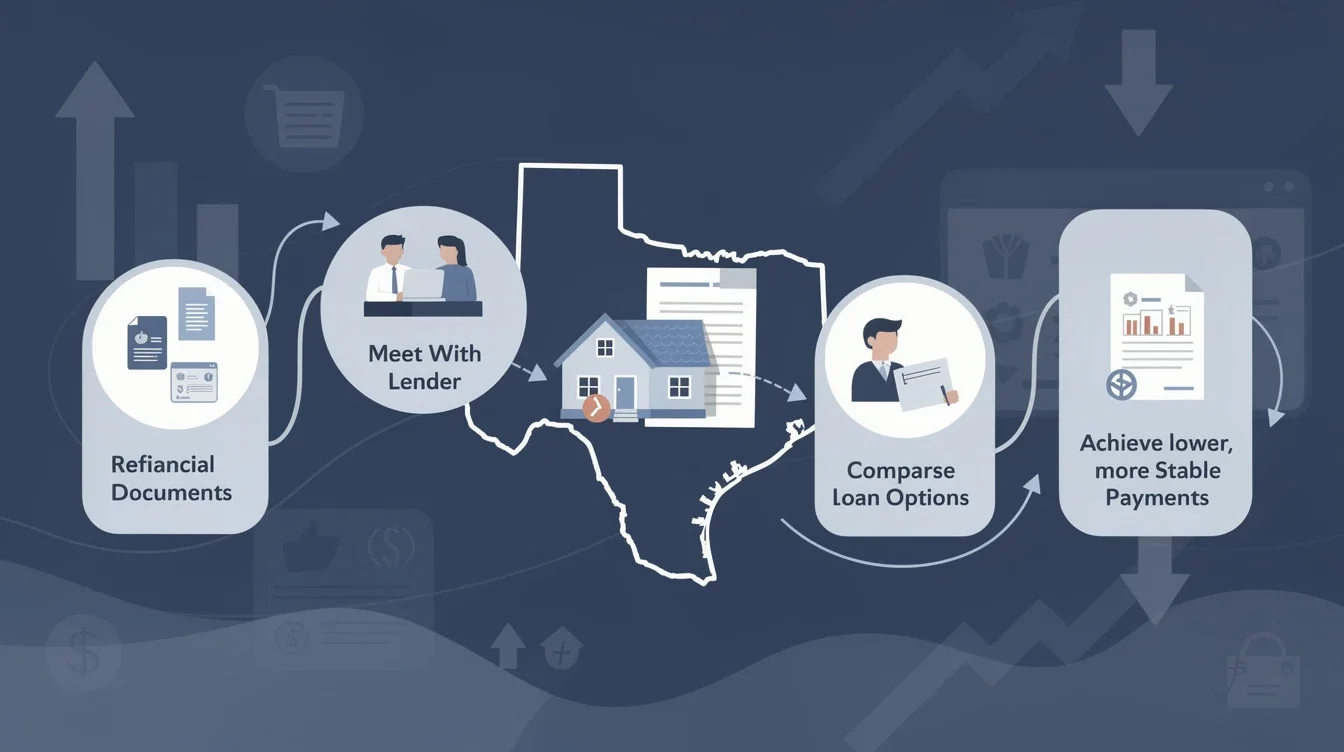
Here’s the heart of the matter: does refinancing make sense for you, personally, in 2026? The only way to know is to crunch the numbers.
First, look at your current loan balance, interest rate, and monthly payment. Then, see what a new mortgage would look like at today’s rates, including closing costs. You’ll want to calculate your “break-even point.” That’s the number of months it’ll take for your refinance savings to outweigh the upfront costs.
In a higher rate environment, your monthly payment might not drop much—or at all. But if you’re consolidating debt, switching loan products, or cashing out equity, the benefits could still outweigh the costs.
At Casey Sullivan Mortgage, we use plain English and easy-to-read breakdowns, so you know exactly what you’re signing up for. No jargon, no surprises.
Pro tip: If you’re thinking about moving in the next few years, refinancing might not make sense, since you may not recoup your closing costs. Let’s talk through your timeline before you make any moves.
Navigating Texas-Specific Refinance Rules
Texas has its own set of rules when it comes to refinancing, especially if you’re doing a cash-out refi. The Lone Star State protects homeowners with some unique guidelines—like the famous “Texas 50(a)(6)” laws.
Here’s what you need to know:
- You usually can’t borrow more than 80% of your home’s value in a cash-out refinance
- There are waiting periods between cash-out refinances
- Special closing requirements apply—so you’ll need the right team on your side
These rules can trip up even seasoned homeowners. At Casey Sullivan Mortgage, we’ve helped thousands of Texans navigate these regulations. We make sure you’re in the clear, and that every “i” is dotted and “t” is crossed.
Pro tip: Not all lenders are created equal when it comes to Texas cash-out refis. Work with a team that truly understands Texas law—trust us, it’ll save you headaches down the line.
Is It Better to Wait or Refinance Now?
This is the million-dollar question. With rates up in 2026, many folks are tempted to wait and see if things come back down. But here’s the honest truth: no one can predict exactly where rates will go or when.
If refinancing helps you meet a real-life need—like getting rid of other high-interest debt, ending mortgage insurance, or fixing your monthly cash flow—it can make sense even at higher rates. And you can always refinance again later if rates drop.
On the other hand, if your main motivation is to lower your interest rate, and your current loan is already pretty good, it might be wise to hang tight for now. Your best bet? Have a candid conversation with your lender. We’re always happy to run scenarios and talk through your options, pressure-free.
Pro tip: Think of refinancing as a tool in your financial toolbox—not a magic bullet. The right time is when it fits your goals, not just when rates are low.
How Casey Sullivan Mortgage Can Help
We know the Texas market inside and out, and our team has seen every kind of refinance situation you can imagine. Our approach is all about education, clear communication, and making the process as smooth as possible.
Here’s what you can expect when you work with us:
- A personal, hands-on team that listens before offering solutions
- Transparent breakdowns of costs, timelines, and loan options
- Step-by-step support through every part of the refinance process
- Guidance on Texas-specific rules and how they affect your loan
We’re not just here to close deals—we’re here to build relationships and help you make the best financial choices, even if that means waiting to refinance. Our job is to arm you with knowledge, so you feel confident every step of the way.
Pro tip: Bring us your questions, your dreams, and your concerns. There’s no such thing as a silly question when it comes to your mortgage.
Conclusion
Rising interest rates in 2026 have definitely changed the refinancing landscape for Texas homeowners. While it’s not the slam-dunk it was a few years ago, refinancing can still be a smart move for the right reasons. Whether you want to tap your home’s equity, consolidate debt, or finally get rid of mortgage insurance, the key is to look at your whole financial picture—not just today’s rates.
At Casey Sullivan Mortgage, we treat you like family. We’ll walk through the numbers, help you understand every option, and give you honest advice—no pressure, no jargon, just real guidance from a team that cares. If you’re considering a refinance, let’s chat! We’re here to help you make the best decision for your home, your family, and your future.