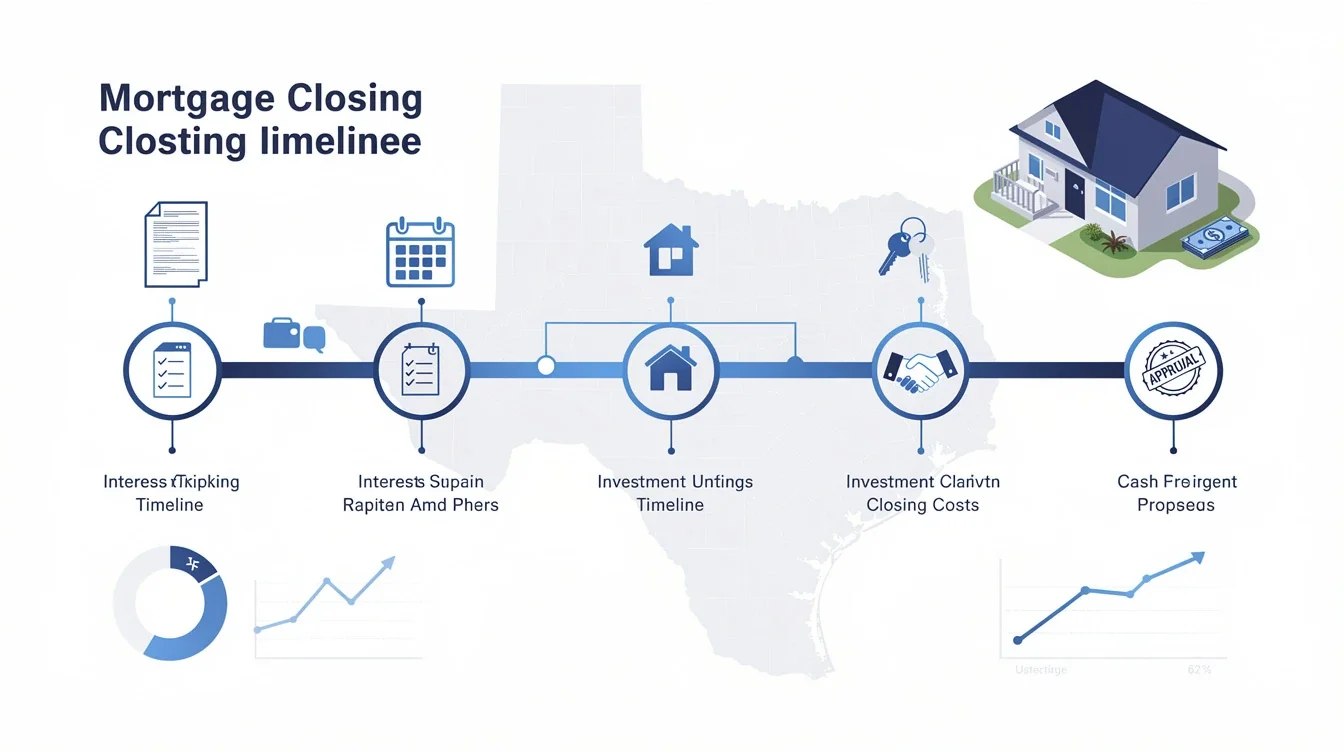
So, you’re eyeing that hot investment property in Texas and ready to expand your real estate portfolio. The numbers look good, your strategy is solid, and you’re eager to get those tenants moved in—or maybe start renovations right away. There’s just one thing left: closing the mortgage. If you’re like most investors, you’ve heard stories about delays, paperwork headaches, and closings that drag on forever. But what’s the real deal with mortgage closing timelines for investment properties in Texas? Let’s break it down to gether, step by step, so you can plan with confidence—and maybe even close faster than you thought possible.
Understanding the Closing Timeline

Let’s start with the basics: what exactly is a mortgage “closing timeline”? In simple terms, it’s the period from when you go under contract on a property until the day you get the keys. For investment properties in Texas, this process can move quickly—or take a bit longer—depending on several factors.
On average, you’re probably looking at 30 to 45 days from contract to close. That said, it’s not unusual for investment properties to take a little longer than primary residences, especially if you’re using a more complex loan program, dealing with a busy appraiser, or navigating the unique requirements that come with non-owner-occupied deals.
Pro tip: If you want to speed things up, have all your documents ready before you even make your offer. Lenders love a prepared borrower!
What Makes Investment Property Closings Unique
Here’s where things get interesting. Buying an investment property is a bit different than buying your own home, and those differences show up in the closing timeline.
First, lenders scrutinize investment property loans more closely. They’ll want to see proof of your income, assets, reserves, and experience as a landlord (if you have it). The underwriting process can take a little longer because there’s more risk for the lender. They’ll check out the property’s rental income potential, maybe ask for extra documentation, and possibly require a larger down payment.
Second, the appraisal process can be a curveball. If the property is multi-unit or has unique features, finding a qualified appraiser might take more time. And if the appraisal comes in low, you could face delays while you renegotiate with the seller or come up with additional funds.
Pro tip: If you’re buying a property that’s already rented, gather all lease agreements and rent rolls ahead of time—your lender will need them.
Key Steps in the Closing Process
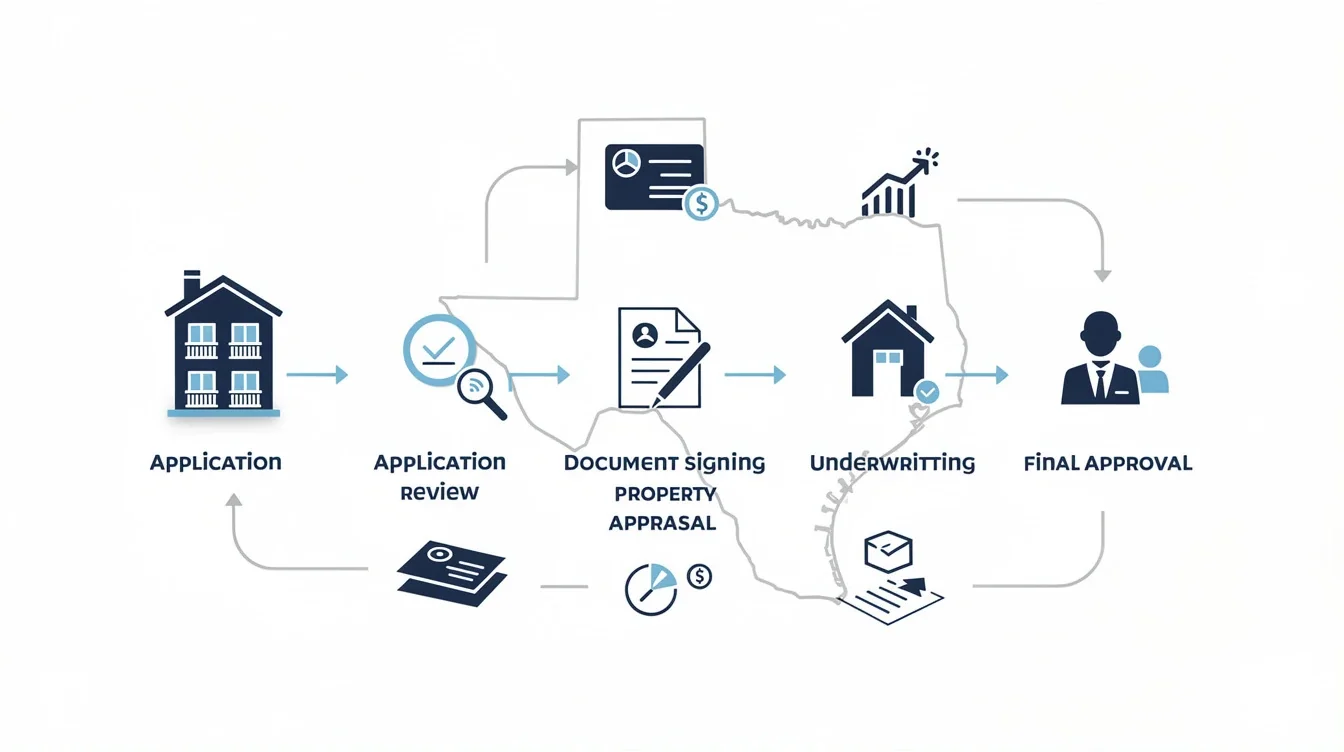
Let’s walk through the standard steps so you know what to expect. It’s not just about signing papers at the end; each phase has its own timeline.
-
Loan Application and Pre-Approval: Ideally, you’ll be pre-approved before you make an offer. If not, you’ll need to submit your application right after going under contract. This is where you’ll provide financial documents, proof of reserves, and details about the property.
-
Processing and Underwriting: Once your application is in, the lender’s team verifies your info, orders the appraisal, and dives into the property’s details. Underwriting can take anywhere from a few days to a couple of weeks, depending on your file’s complexity.
-
Appraisal and Inspections: The lender orders an appraisal to confirm the property’s value. Inspections aren’t usually required for the loan, but they’re smart for protecting your investment. If issues are found, you might negotiate repairs—adding a few extra days.
-
Final Approval and Closing Disclosure: After all the documents check out, you get a “clear to close.” You’ll receive a Closing Disclosure at least three days before closing, so review it carefully.
-
Closing Day: This is when you sign the final paperwork and pay your closing costs. In Texas, you’ll typically sign at a title company or attorney’s office, and once funding is confirmed, you get the keys!
Pro tip: Stay in close touch with your lender and title company throughout the process. Quick responses to requests can keep things moving.
Common Delays (and How to Avoid Them)
Even with the best planning, hiccups can happen. Here are some common reasons investment property closings in Texas get delayed—and what you can do to dodge them:
- Missing Documents: Investment loans usually require more paperwork. Double-check your lender’s list and send everything upfront.
- Appraisal Delays: Appraisers can get backed up, especially in hot markets. Schedule the appraisal as soon as possible after going under contract.
- Title Issues: Sometimes, title searches uncover old liens or ownership questions. Using a reputable title company can help catch these early.
- Last-Minute Credit Changes: Don’t open new credit cards, buy a car, or dramatically change your finances during the process. Lenders re-check credit right before closing.
Pro tip: Keep your financial picture stable from application to closing. Even small changes can trigger a new round of underwriting.
Special Considerations for Texas Investors
Texas has some unique quirks when it comes to real estate closings. For one, the state uses title companies instead of real estate attorneys for most closings, which can streamline the process. Texas is also a “wet funding” state, meaning funds are disbursed immediately after closing, so you can take possession of your property faster.
However, property taxes in Texas are higher than in many other states, and those escrow calculations can sometimes add a few days to the closing process, especially if you’re buying late in the year or the seller’s tax situation is complex.
Also, if your investment property is a condo or part of a homeowners association, budget extra time for HOA document reviews and approvals.
Pro tip: Ask your lender and title company for a detailed closing timeline as soon as your offer is accepted. Knowing what’s coming can help you plan—and prevent surprises.
How Casey Sullivan Mortgage Makes It Easier
Here’s where we come in. At Casey Sullivan Mortgage, we live and breathe Texas real estate—and we’re laser-focused on making your investment property closing as smooth and stress-free as possible.
Our team works hand-in-hand with you, your agent, and your title company from day one. We know the ins and outs of investment property loans and can anticipate what underwriters will need, so we help you gather documents upfront and avoid last-minute scrambles.
We believe in clear, frequent communication. You’ll never wonder where things stand—we’ll keep you in the loop at every stage, answer your questions, and problem-solve to gether if any bumps pop up.
And because we’re both a lender and a broker, we can shop your loan to find the best rates and programs for your specific goals, whether you’re buying your first rental or building a portfolio of properties across Texas.
Pro tip: Don’t be afraid to ask questions—no matter how small they may seem. Our team loves educating and empowering investors just like you!
Conclusion
Buying investment property in Texas is exciting, and closing your mortgage doesn’t have to be a headache. With the right team, a little preparation, and a clear understanding of the process, you can move from offer to ownership faster than you might think. At Casey Sullivan Mortgage, we’re here to help you every step of the way—so you can focus on growing your portfolio, not sweating the paperwork. Ready to make your next Texas investment move? Let’s chat and get you started on the path to a successful closing!