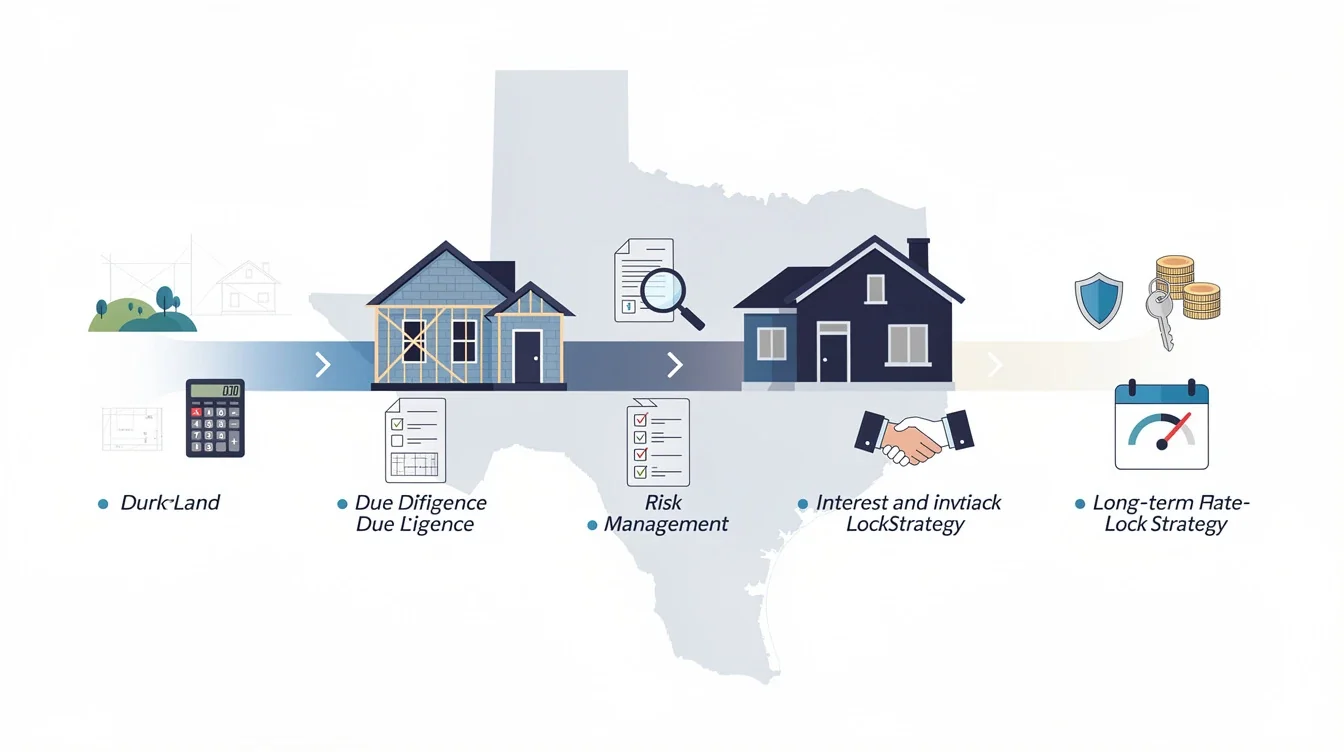
Dreaming of building your own home in Texas? Maybe you’ve already found the perfect plot and are itching to break ground. As exciting as it is to picture your future kitchen or backyard, figuring out how to finance a custom build can get overwhelming fast. That’s where a construction to permanent loan comes in—and at Casey Sullivan Mortgage, we’re here to walk you through every step, minus the headache.
Let’s break down exactly how these loans work, why they might be the right fit, and what to expect as you go from blueprint to move-in day. Grab a coffee, sit back, and let’s make this process a lot less intimidating.
What’s a Construction to Permanent Loan?
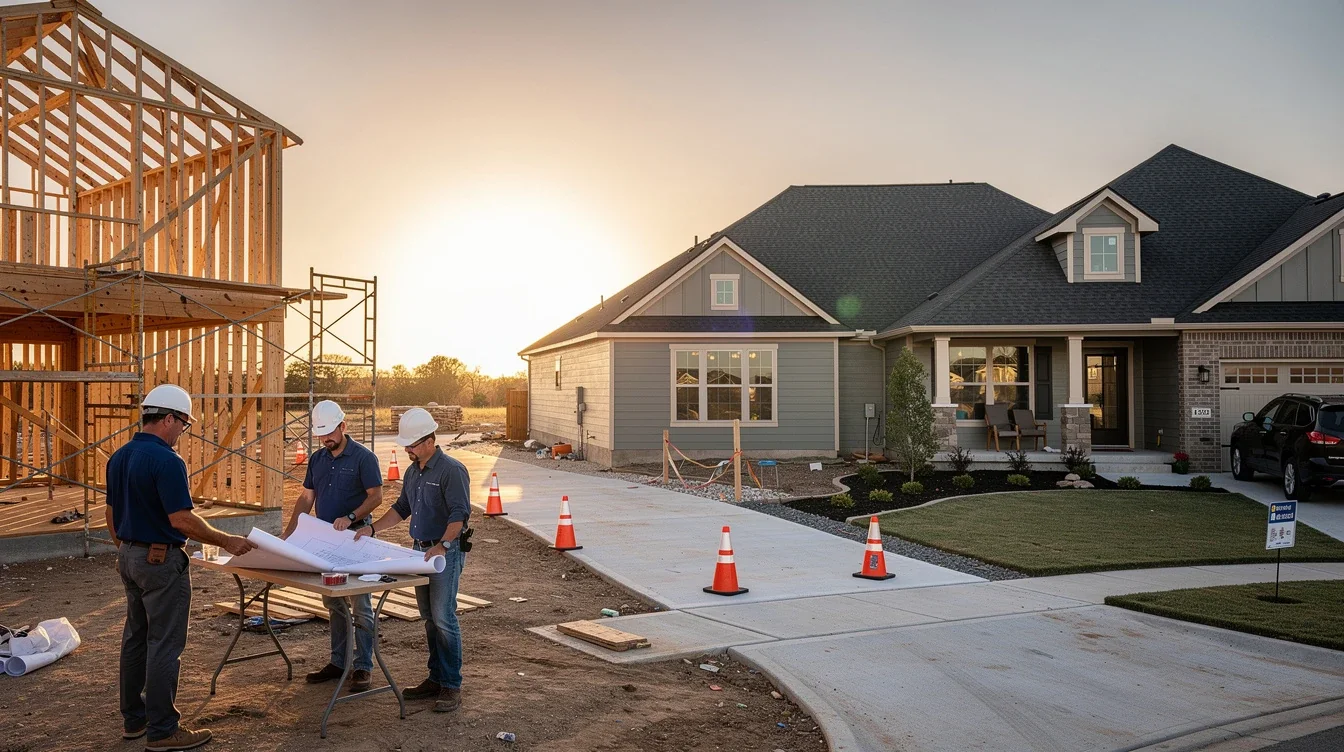
So, what exactly is a construction to permanent loan? In short, it’s a special kind of home loan designed for folks who want to build a new house, not just buy an existing one. Instead of juggling separate loans for construction and your mortgage, a construction to permanent loan combines both into a single, streamlined process.
Here’s how it works: First, you get a short-term loan to cover the cost of building your home. Once construction wraps up, that loan simply converts into a standard mortgage. No need for two closings, two sets of paperwork, or double the stress. It’s all bundled to gether—simple and efficient.
Pro tip: Ask your lender upfront about rate locks. Some construction to permanent loans let you lock in your mortgage rate early, which can protect you from rising rates while your home’s being built.
Steps in the Loan Process
When you’re ready to move forward, knowing what comes next can save you a world of confusion. Here’s a straightforward look at the steps you’ll go through with a construction to permanent loan in Texas:
Initial Planning and Pre-Qualification
Before you pick out tile samples or paint swatches, it’s smart to sit down with a lender (like us at Casey Sullivan Mortgage) and figure out your budget. We’ll help you get pre-qualified based on your income, credit, and assets. This gives you a realistic idea of what you can afford and what your payments might look like.
Choosing Your Builder and Blueprints
Next up: finding a reputable builder. Most lenders, including us, need to approve your builder, so choose someone with experience, good references, and a solid track record. Once you have your builder and plans, we’ll review everything to gether to make sure your project fits the loan guidelines.
Application and Documentation
This is where the paperwork comes in. You’ll submit your application, along with documents like tax returns, pay stubs, and details about your builder and construction plans. We’ll order an appraisal based on your future home’s value (not just the land).
Loan Approval and Closing
Once your application and plans are approved, you’ll close on the construction loan. That means signing all the loan documents and paying your closing costs—just like you would for a traditional mortgage. Congrats! You now have the funds to start building.
Pro tip: Stay in close touch with your builder and lender during this phase. Good communication can prevent delays and keep everyone on the same page.
How Construction Draws Work
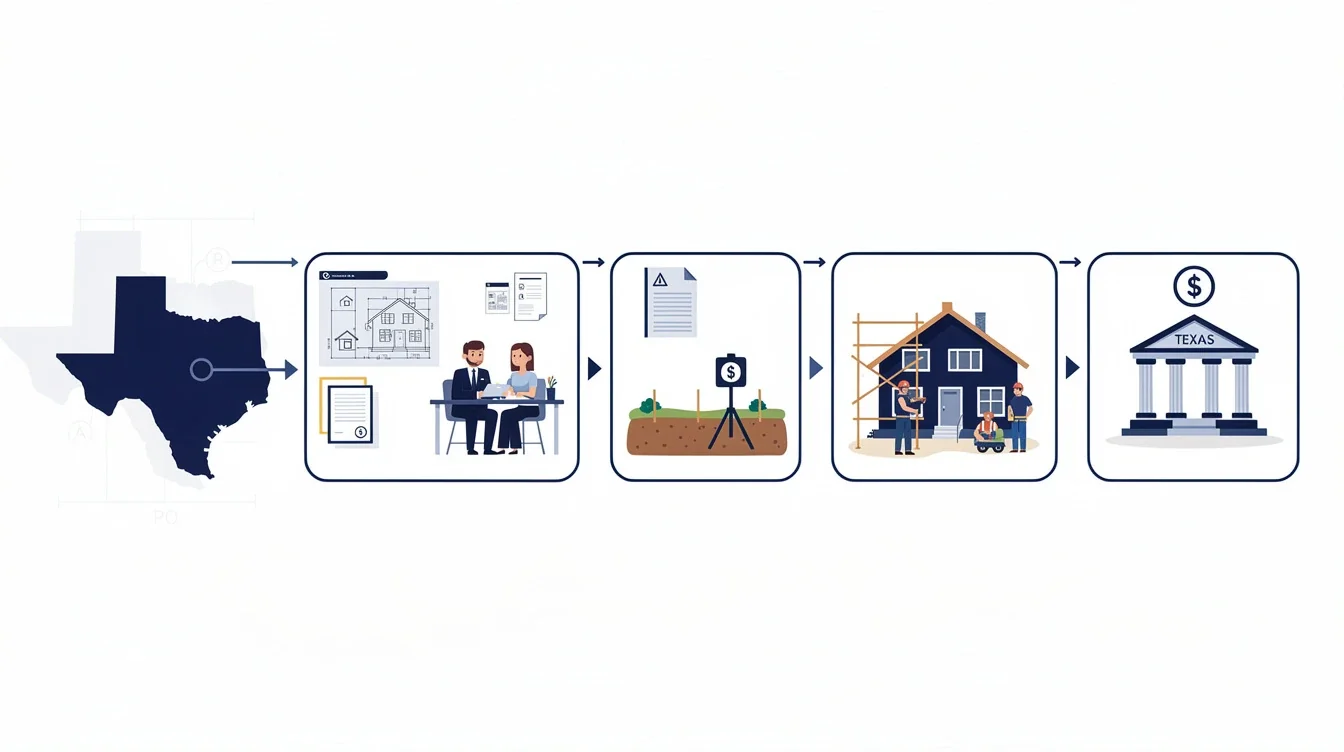
Here’s where things get a little different from a regular mortgage. With a construction to permanent loan, you don’t get a giant lump sum upfront. Instead, the funds are released in stages, called “draws,” as your home is built.
What’s a Draw?
A draw is a payment made directly to your builder after certain milestones are completed—like finishing the foundation, framing, or roofing. Before each draw, an inspector checks that the work is done to specs.
Why Does This Matter?
It keeps everyone accountable. Your builder only gets paid as work progresses, and you’re not paying interest on the full loan amount until the house is done. During construction, you’ll usually make interest-only payments on what’s been drawn so far.
Pro tip: Plan a little wiggle room in your budget for the unexpected. Weather, materials, and scheduling can all impact your timeline, and having a cushion can save you stress down the road.
Transitioning to a Permanent Mortgage
Once your home is finished (and you’ve had your “wow, this is really happening!” moment), the next step is converting your construction loan into a permanent mortgage. This is usually pretty straightforward—no need for a second closing or a new loan application.
How Does the Conversion Work?
Your lender (that’s us!) reviews the completed home and finalizes the loan terms. The balance of your construction loan rolls right into a regular mortgage, and you start making monthly principal and interest payments, just like any other homeowner.
What About the Interest Rate?
If you locked your rate before construction, you’re all set. If not, your rate will be set at this point based on current market conditions.
Pro tip: Keep all your construction receipts and final permits handy. Your lender will need to review them before the loan converts, and having everything organized can speed things up.
Texas-Specific Considerations
Building in the Lone Star State comes with its own quirks and perks. Here’s what you should know if you’re planning a construction to permanent loan in Texas:
Homestead Laws and Property Taxes
Texas has unique homestead protections and property tax rules. If you’re building your primary residence, you might qualify for certain exemptions that can lower your tax bill. Your lender and title company can help you understand what applies to your property.
Local Regulations and Permits
Each county or city might have its own building codes, permits, and inspection requirements. Your builder should be familiar with these, but it’s always a good idea to double-check what’s needed for your specific location.
Flood Zones and Insurance
Some areas in Texas are prone to flooding. If your lot is in a flood zone, you’ll need to factor in the cost of flood insurance. Lenders will require proof of coverage before closing.
Pro tip: Ask your lender about any special requirements for rural properties or acreage. Texas has plenty of wide-open spaces, and some lenders have unique guidelines for these types of builds.
How Casey Sullivan Mortgage Makes It Easy
We know building a home can feel overwhelming, especially when it comes to the financing side. Our team’s mission is to make the process as smooth and stress-free as possible, whether you’re a first-time builder or a seasoned investor.
Personalized Guidance
From the first call to the final walkthrough, our hands-on approach means you’ll always have a friendly expert to answer your questions and walk you through each step.
Clear Communication
We’re big believers in transparency. You’ll always know where things stand, what’s coming next, and who to call if you need help.
Flexible Options
Because we work with multiple lenders and loan products, we’ll help you find the construction to permanent loan that fits your budget and timeline—no cookie-cutter solutions here.
Pro tip: Start the process early! The earlier you get your financing lined up, the more time you’ll have to make design choices and avoid delays.
Conclusion
Building your own home in Texas is a big adventure—and getting the right construction to permanent loan shouldn’t slow you down. With the right lender on your side, you can enjoy the creative freedom of a custom build without drowning in red tape or worrying about the fine print.
At Casey Sullivan Mortgage, we’re here to break down the barriers and walk you through every step—no jargon, no confusion, just a team who’s got your back. Ready to start building your dream home? Reach out today, and let’s make it happen to gether!