
Ever caught yourself daydreaming about a cozy cottage by the lake, a ski condo in the Rockies, or maybe a beach retreat on the Gulf? Or maybe you're thinking about building wealth through real estate and want to dip your toes into the world of rental properties. Either way, buying a second home or a rental property is a big step—exciting, yes, but also a little intimidating. The good news? With the right mortgage strategy and a team like Casey Sullivan Mortgage by your side, it's totally doable, even if you don't know where to start.
Let’s break it all down, from what makes a second home different from an investment property, to how mortgages work when you’re not buying your primary residence, and what to expect every step of the way. Whether you’re after a weekend escape or a smart investment, you’ll walk away feeling more confident and prepared.
Second Home vs.

Rental Property: What’s the Difference?
First things first—let’s clear up some confusion. The terms "second home" and "rental property" get tossed around a lot, but they mean different things to lenders.
A second home is just what it sounds like: a place you’ll use primarily for your own enjoyment, separate from your main house. Think vacation home or a getaway spot. You might visit it on weekends, holidays, or whenever the mood strikes, but you’re not planning to rent it out full-time.
A rental property, on the other hand, is a home you buy specifically to generate income by renting it out. Maybe you want to be a landlord and collect monthly rent, or maybe you’re thinking about short-term rentals like Airbnb. Either way, this property is considered an investment in the eyes of your mortgage lender.
Why does this matter? Well, lenders have different rules and rates for second homes and rental properties. Second homes typically get better interest rates and require smaller down payments compared to rental properties, because in theory, you’re more likely to take good care of a home you use yourself.
Pro tip: Before you apply, get clear on how you plan to use your new place. If you think you might want to rent it out even part-time, talk that over with your lender from the get-go. The rules can be strict, and you don’t want any surprises later.
Mortgage Basics: How Loans Work for Second Homes
Let’s say you’re after that dreamy second home. How does getting a mortgage work compared to buying your primary residence? The core process is similar, but there are a few twists you should know about.
First, most lenders want to see that you can afford two homes at once—your current one and the new one. They’ll look at your debt-to-income ratio (DTI) to make sure you’re not stretching yourself too thin. Expect to need a credit score of at least 620, but a higher score (think 700+) will give you access to the best rates.
Down payments are a little higher than for first homes. Many lenders ask for at least 10% down, but putting down 20% or more can help you avoid private mortgage insurance (PMI) and snag a better rate.
Your new place usually needs to be a certain distance from your primary home—most lenders don’t want to see you buying another house in the same neighborhood and calling it a "second home." And, you’ll generally need to use the property yourself at least part of the year, not rent it out full-time.
Pro tip: Get pre-approved before you start house hunting. Not only does it show sellers you mean business, but it helps you set a realistic budget and keeps your search focused.
Financing a Rental Property: What’s Different?
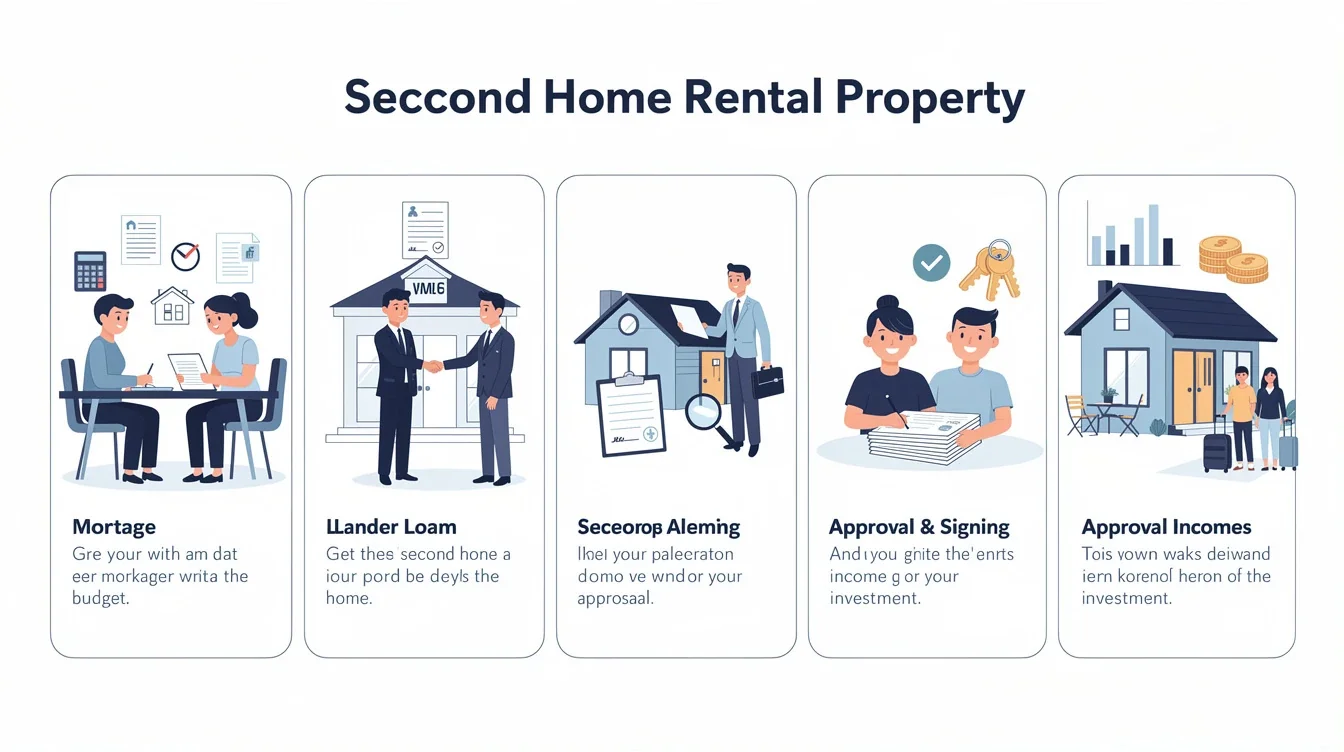
Here’s where it gets interesting. Buying a property to rent out comes with stricter requirements, but it can be totally worth it if you’re looking to build long-term wealth.
For investment properties, lenders are taking on more risk, since landlords are statistically more likely to default than folks living in their own homes. That means you’ll need:
- A higher down payment: 20-25% is common
- A solid credit score (usually 680+)
- Proof of steady income and cash reserves
Interest rates for rental property loans also tend to be a bit higher. But, here’s the good news: if you already have experience as a landlord, or if the property has a strong rental history, lenders may let you use projected rental income to help qualify for the loan. That can make a big difference in your debt-to-income calculation.
You’ll also want to factor in all the extra costs that come with being a landlord: maintenance, repairs, vacancies, property management fees, and more. It’s more work than owning a second home, but with the right plan, it can be a fantastic way to grow your portfolio.
Pro tip: If you’re just starting out, consider buying a duplex or small multi-family property. You can live in one unit and rent out the others, which may let you qualify for owner-occupied financing (with better rates and lower down payments!).
Navigating the Application Process
Whether you’re buying a second home or a rental, the application process is a team effort. Here’s what you can expect when you work with Casey Sullivan Mortgage:
First, we’ll sit down to gether (virtually or in person) and talk through your goals. Are you after a family getaway, or are you looking to build passive income? We’ll help you get clear on your priorities and map out the best mortgage options for your situation.
Next, we’ll help you gather the paperwork. This usually includes recent pay stubs, W-2s, tax returns, bank statements, and info about any current mortgages or debts. For rental properties, you might also need lease agreements or documents showing the property’s rental history.
We’ll walk you through pre-approval, help you lock in a great rate, and keep you updated every step of the way. If any bumps pop up during underwriting (say, a quirky property type or a surprise on your credit report), our team jumps in to troubleshoot so your deal keeps moving forward.
Finally, once you’ve found the perfect spot and gone under contract, we’ll coordinate with the appraiser, title company, and everyone else involved to make sure you close on time and with minimal stress.
Pro tip: Don’t be afraid to ask questions! There are no silly questions when it comes to big financial decisions. Our job is to make sure you feel confident and informed from start to finish.
Preparing for Ownership: What to Expect After Closing
So the keys are in your hand—now what? Whether you’re getting ready for lazy weekends on the porch or prepping your first rental listing, there are a few things you’ll want to keep in mind.
For second homes, think about setting up automatic payments for utilities and insurance, and arrange for regular maintenance, especially if you’ll be away for long stretches. You might want to connect with a local property manager or trusted neighbor who can keep an eye on things for you.
For rental properties, you’ll need to get familiar with your state’s landlord-tenant laws, set up a system for screening tenants, collecting rent, and handling repairs. Don’t forget to set aside a reserve fund for unexpected expenses—leaky roofs and busted water heaters happen to everyone!
And of course, keep great records. Track your income, expenses, and receipts from day one. Not only does this make tax time easier, but it also helps you see how your investment is performing year over year.
Pro tip: If you’re not ready to take on property management yourself, research local companies before you close. A good manager can save you time and headaches, especially if you don’t live nearby.
Why Work With Casey Sullivan Mortgage?
Buying a second home or rental property is a big deal—not just financially, but emotionally too. You want to work with a lender who gets what’s at stake and treats you like a partner, not a number.
At Casey Sullivan Mortgage, we pride ourselves on clear communication, honest advice, and a hands-on approach. Our team knows the ins and outs of second home and investment property loans in all 50 states—not just Texas. We’ll help you compare options, crunch the numbers, and avoid common pitfalls, so you can move forward with confidence.
No matter where you are in your journey, we’re here to answer your questions, connect you with trusted real estate pros, and cheer you on every step of the way. Your dream getaway or next investment is closer than you think.
Pro tip: The mortgage world changes fast—rates, rules, and programs shift all the time. Stay in touch with your lender, even after you close, so you never miss out on a chance to save money or grow your portfolio.
Conclusion
Buying a second home or rental property isn’t just for the ultra-wealthy—it’s possible for regular folks with a plan and the right support. Whether you’re craving a weekend escape or ready to become a real estate investor, understanding your mortgage options is the first step. And with a team like Casey Sullivan Mortgage in your corner, you’re never navigating the process alone.
Ready to unlock the door to your next chapter? Let’s make it happen, to gether.