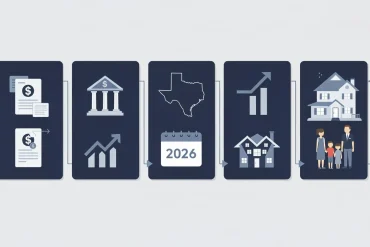
If you’re working from home in 2026, you’re not alone. The landscape of work has changed, and so has the path to buying a home. At Casey Sullivan Mortgage, I’ve helped hundreds of remote workers turn their home-buying dream into a reality, but I know it can feel intimidating to start. Lenders are asking new questions, employers are embracing flexibility, and you might be wondering if your remote job could make or break your mortgage approval. Grab your favorite coffee and let’s clear the air—here’s what you need to know about mortgage approval as a remote worker in today’s world.
The Rise of Remote Work and Mortgages

Remote work isn’t just a passing trend—it’s the new normal for millions of Americans. Back in the early 2020s, many lenders were caught off guard by this shift. Fast forward to 2026, and the rules have been rewritten. Lenders like us at Casey Sullivan Mortgage have adapted, but the process is still a bit different for remote workers.
Here’s the deal: lenders want to know your income is steady and that your job isn’t at risk if you move. If you’re working for a tech company in California but living in Austin, Texas, you’re in a sweet spot. Lenders love stability, and remote work arrangements can provide just that—if the paperwork is in order.
Pro tip: Get a letter from your employer stating your job is 100% remote and your location doesn’t affect employment. This little document can save a lot of back-and-forth later!
Proving Your Income as a Remote Worker
The days of faxing over a single pay stub and calling it a day are long gone. When you work remotely, lenders dig a bit deeper to make sure your income is reliable. They’ll want to see at least two years of consistent income, or strong documentation if you’re newer to remote work.
If you’re salaried, you’re in luck—W-2s, pay stubs, and a solid employment verification letter should do the trick. But if you’re self-employed, freelancing, or contracting (which is super common in the remote world), expect more scrutiny. You’ll probably need to show tax returns, bank statements, and possibly client contracts to prove your income is stable.
Don’t let that stress you out. At Casey Sullivan Mortgage, we walk you through exactly what to gather and help you present your case in the best light. The goal is to show lenders that your income isn’t just a flash in the pan—it’s here to stay.
Pro tip: Start saving digital copies of your income documents now. Having organized files makes the mortgage process so much smoother.
Location Flexibility: What Lenders Look For

Here’s a question I get all the time: “If my job is remote, can I buy a house anywhere?” The answer is—it depends, but you have way more options than you used to!
Lenders are focused on whether your employer allows you to work from anywhere or just certain states. For example, some companies restrict remote employees to specific regions for tax or legal reasons. If you want to buy your dream home in Texas while your company is based in New York, your lender will want written confirmation that your move won’t affect your job.
Another thing to consider is how buying in a different state could impact your taxes or benefits. It’s a good idea to talk this through with both your HR department and a mortgage expert (that’s what we’re here for). We’ve seen it all and can help you navigate any hurdles.
Pro tip: Before house hunting, double-check your company’s remote work policy and get any needed approvals in writing. It’s way easier to solve potential problems before you fall in love with a house!
Credit, Debt, and Remote Work Realities
Remote work doesn’t just change where you do your job—it can shake up your finances, too. Maybe you’re saving on commuting but spending more on home office gear. Or maybe you’ve picked up a side hustle to supplement your income.
Lenders will look at your full financial picture: credit score, debt-to-income (DTI) ratio, and savings. If your remote status has helped you boost your savings—awesome, that’ll shine on your application. But if you’ve taken on new debts, like a big move or setting up your home office, it’s important to be upfront.
At Casey Sullivan Mortgage, we help you understand how your remote lifestyle could affect your eligibility. The good news? Remote work, when stable, is often seen as a positive because it shows adaptability and personal responsibility—qualities lenders love.
Pro tip: Pay down high-interest debt and avoid big new loans before applying for your mortgage. Your future self (and your lender) will thank you!
The Application Process in 2026
The mortgage process in 2026 is more digital than ever, but it’s still personal—especially when you work with a hands-on team like ours. You can expect secure online portals for uploading documents, virtual meetings to review your application, and e-signatures to keep things moving fast.
But don’t worry, you’re not on your own. From pre-approval to closing, our team is here to answer every question (even the ones you think are silly—trust me, they’re not). We’ll translate lender-speak into plain English and make sure you know exactly what’s happening at every step.
If you’re moving to a new state, there might be a few extra steps, like updating your address with your employer or providing additional proof of residency. We’ll let you know what to expect and make sure there are no surprises at the finish line.
Pro tip: Set aside some time each week to check in on your application and upload new documents. A little organization goes a long way!
Overcoming Common Remote Work Hurdles
No two remote workers are exactly alike, and sometimes bumps pop up along the way. Maybe your job switched from in-office to remote recently, or you’re juggling multiple sources of income. Maybe you’re eyeing a house in a rural area where internet speeds are questionable (yes, lenders sometimes ask about this!).
Whatever your situation, there’s almost always a solution. The key is transparency—share your full story with your mortgage advisor upfront. At Casey Sullivan Mortgage, we’re problem-solvers at heart. We’ve helped teachers, techies, healthcare workers, and entrepreneurs find creative ways to qualify.
If you hit a snag, don’t panic. Sometimes it’s as simple as providing a few more documents or clarifying your work arrangement. Other times, it might mean waiting a few months to build up more income history. Either way, you’re not alone.
Pro tip: Keep communication open with your lender and don’t be afraid to ask questions. The more we know, the better we can advocate for you.
Conclusion
Buying a home as a remote worker in 2026 isn’t just possible—it’s becoming the new normal. With the right preparation, clear documentation, and a team that’s got your back, you can turn your remote work lifestyle into homeownership, wherever you want to plant your roots. At Casey Sullivan Mortgage, we’re here to help you every step of the way, with advice that’s always honest, personal, and tailored to your unique journey.
Have questions? Ready to get started? Reach out to us any time. Let’s make your remote work dreams work for you—starting with the perfect home.