If you or a loved one is starting to think about aging, healthcare, or how to stay comfortable at home in retirement, you’ve probably heard about reverse mortgages. Maybe you’ve seen commercials with celebrities promising financial freedom, or maybe a friend mentioned it at church. But what does a reverse mortgage really mean for long-term care—especially if you’re in Texas? At Casey Sullivan Mortgage, we talk to seniors and their families every day about these questions. Let’s break it down to gether, so you can make the best decision for your future with all the facts in hand.
What’s a Reverse Mortgage, Really?
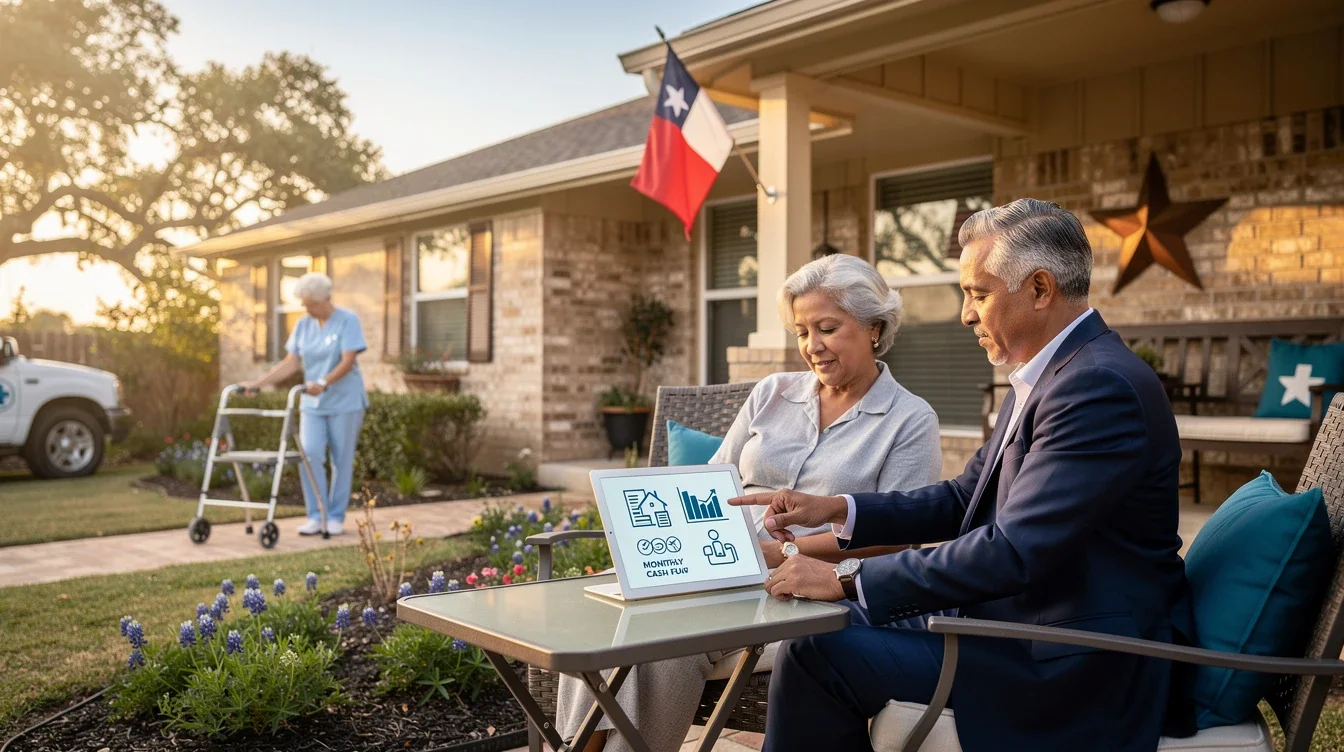
Let’s start simple: a reverse mortgage lets homeowners aged 62 or older turn some of their home equity into cash—without selling the house or making monthly mortgage payments. In Texas, the most common reverse mortgage is a Home Equity Conversion Mortgage (HECM), which is federally insured and has special rules to protect you.
Here’s how it works: instead of making payments to the bank, the bank pays you, either as a lump sum, monthly payment, or a line of credit. The loan is repaid when you move out, sell the house, or pass away. Sounds pretty nifty, right? But it’s not just free money—there are fees, interest, and a few conditions to consider.
Pro tip: If you’re married, make sure both spouses are listed as borrowers, even if only one is over 62. This can help protect your spouse’s right to stay in the home.
How Reverse Mortgages Support Long-Term Care
Now, let’s talk about why reverse mortgages are popping up in conversations about long-term care. Long-term care (LTC) covers a range of services that help you with daily activities, whether you’re at home, in an assisted living facility, or a nursing home. In Texas, costs for these services can add up quickly—especially if you want to stay in the comfort of your own home.
A reverse mortgage can provide extra funds to:
- Pay for in-home caregivers or home health aides
- Make home modifications (like ramps or walk-in tubs)
- Cover out-of-pocket medical expenses
- Bridge the gap while waiting for benefits to kick in
The beauty is, you can stay in your home and use your home’s value for your own wellbeing. For many Texas seniors, it’s a way to age in place, on your terms.
Pro tip: Setting up a line of credit with a reverse mortgage can give you flexibility—draw money as you need it, and let the unused portion grow over time.
Texas-Specific Rules and Protections
Texas has some unique laws when it comes to reverse mortgages. The Lone Star State is famous for protecting homeowners, so there are a few extra hoops to jump through—but they’re mostly there to keep you safe.
For example, Texas requires you to get counseling from a HUD-approved agency before moving forward. This helps make sure you understand the pros, cons, and alternatives. There are also strict limits on fees and how much equity you can tap. And, Texas reverse mortgages are “non-recourse”—meaning you or your heirs will never owe more than the home is worth, even if the loan balance grows bigger over time.
Pro tip: Don’t skip the counseling session! It’s free or low-cost, and it’s a chance to ask questions without pressure.
Common Concerns and Misconceptions
Let’s be honest—a lot of folks worry about losing their home, getting scammed, or leaving their kids with a mess. These are valid concerns, and we hear them all the time at Casey Sullivan Mortgage.
First, you keep the title to your home. As long as you pay property taxes, homeowner’s insurance, and keep the house in good shape, you can live there for life. If you move out for more than 12 months (say, for a permanent nursing home stay), the loan becomes due—but you or your heirs can sell the home or pay off the balance.
Second, the “reverse mortgage horror stories” you hear usually involve people who didn’t fully understand the terms, or lenders who weren’t transparent. That’s why we emphasize education and clear communication. We want you to feel confident, not confused.
Third, if you want to leave the home to your heirs, they’ll have the option to pay off the loan (often by refinancing) or sell the home. If the home’s value is less than the loan balance, federal insurance covers the difference.
Pro tip: Talk openly with your family about your plans. Let them know how a reverse mortgage could affect your estate and your care needs.
Choosing the Right Reverse Mortgage Strategy
Reverse mortgages are not one-size-fits-all. The right choice depends on your age, home value, remaining mortgage, health, and long-term care goals. Here are a few things to consider:
- Lump sum vs. line of credit: If you need to pay off an existing mortgage or make big home improvements, a lump sum might be best. For ongoing care expenses, a line of credit can offer peace of mind.
- Timing: The older you are when you take out a reverse mortgage, the more money you can access. If you don’t need the cash right away, waiting a few years can increase your available funds.
- Impact on benefits: A reverse mortgage typically doesn’t affect Social Security or Medicare, but it can impact Medicaid eligibility if you hold large amounts of cash from the loan.
At Casey Sullivan Mortgage, we take the time to walk through your goals and help you find the right fit. We work with your financial advisor, attorney, and family to make sure nothing falls through the cracks.
Pro tip: Even if you don’t need long-term care right now, opening a reverse mortgage line of credit early can be a smart safety net for the future.
Working with a Trusted Texas Mortgage Partner
Let’s face it—reverse mortgages can feel overwhelming. That’s why you want a team that’s local, experienced, and truly listens. At Casey Sullivan Mortgage, we’re not just loan officers—we’re guides, educators, and advocates. We’ve helped hundreds of Texas families navigate the reverse mortgage process with honesty and heart.
We’ll answer your questions, explain every step, and help you weigh the pros and cons. We don’t do high-pressure sales. Our goal is your peace of mind, whether you decide a reverse mortgage is right for you or not.
Pro tip: Bring a trusted friend or family member to your appointment. Two sets of ears can help you feel even more confident about your decision.
Conclusion
A reverse mortgage can be a powerful tool for Texas seniors who want to stay in their homes and cover the costs of long-term care. But it’s not a decision to rush into. The process is complex, and the stakes are high—but with the right guidance, it can offer freedom, flexibility, and security when you need it most.
If you’re curious about how a reverse mortgage could fit your long-term care plan, reach out to Casey Sullivan Mortgage. We’re here to listen, answer your questions, and help you make the best choice for your family’s future—Texas style.