
Ever dreamt of owning a cozy lakeside cabin in the Hill Country, or maybe a trendy condo in Galveston you could both enjoy and rent out? You're not alone. Vacation rental properties in Texas are booming, and savvy buyers are looking to 2026 and beyond for the next big opportunity. But how do you actually finance a vacation rental here, especially with the market evolving so quickly? Let's walk through the ins and outs to gether—no jargon, just real talk from your friends at Casey Sullivan Mortgage.
The Texas Vacation Rental Boom
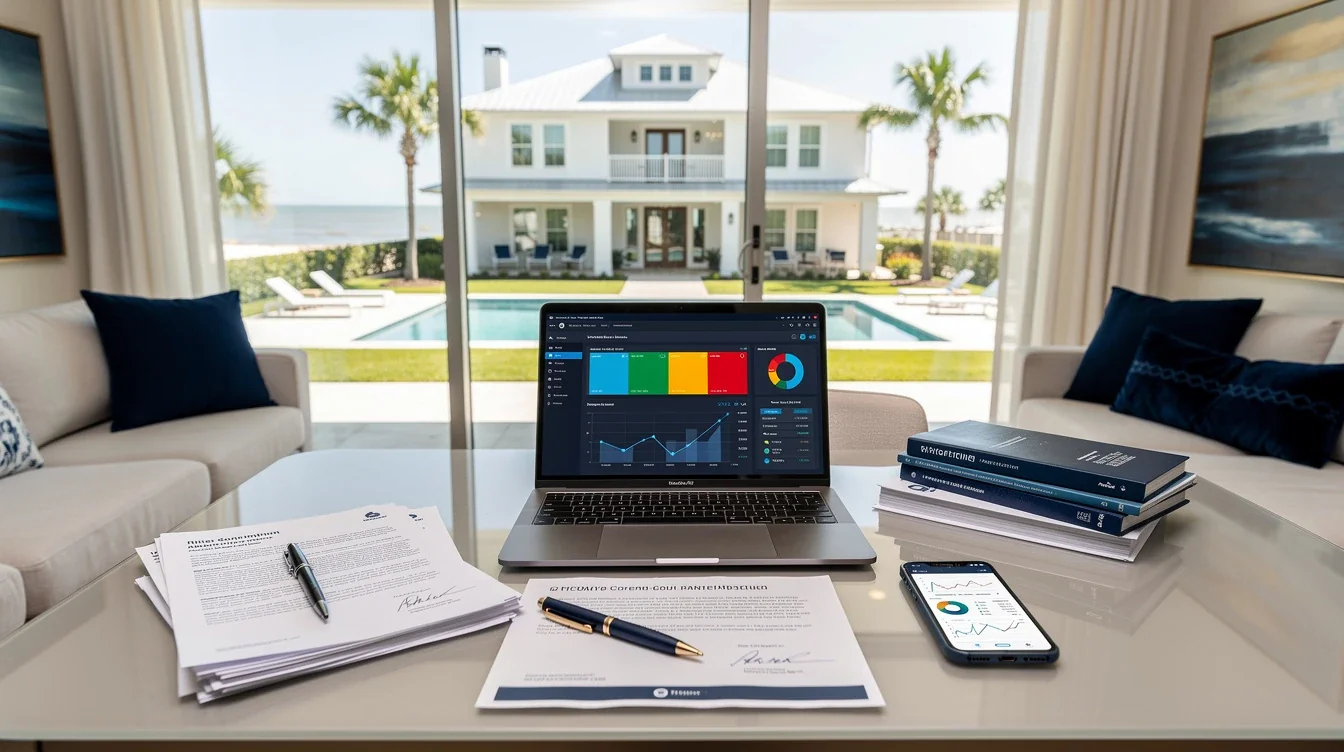
Texas is a hot spot for vacation rentals, and that doesn't look like it's changing any time soon. With cities like Austin, Dallas, San Antonio, and the Gulf Coast drawing millions of travelers every year—not to mention the endless small-town charm and big natural beauty—there's a steady demand for short-term stays.
More travelers want that "home away from home" feel, and more investors want to tap into rental income while still having a getaway for themselves. But, with more competition and a shifting lending landscape, the way you finance a vacation rental in Texas is evolving fast.
Pro tip: Start your search by zeroing in on locations with steady tourism and flexible short-term rental rules. This can make financing and future rental income a lot smoother.
Understanding Your Financing Options
The first question most people ask: "Can I use a regular mortgage for a vacation rental?" The answer is: sometimes, but it depends on a few key factors. Let's break this down.
If you're buying a second home mainly for personal use (with maybe some occasional renting), you might qualify for a conventional second home mortgage. These typically come with lower rates and down payment requirements compared to investment property loans. But, if your main goal is to rent it out most of the year for income, lenders will likely treat it as an investment property.
Investment property loans often require a bigger down payment (think 15-25%), slightly higher interest rates, and stricter qualification criteria. You'll also need to show you can cover the mortgage even if the property sits empty for a while.
In 2026, we're seeing lenders get creative—some offer loans specifically for short-term rental properties, factoring in projected rental income and even property management experience.
Pro tip: Talk to your lender early about your true intentions—personal getaway, pure investment, or a bit of both. The right loan type will save you money and headaches down the road.
Down Payments, Rates, and Requirements

Let's get real about the numbers. For a vacation rental in Texas, the down payment is usually the biggest hurdle for buyers. As of 2026, most lenders want at least 20% down for investment properties, though some will accept as little as 10-15% with strong credit and reserves. The days of 5% down on a vacation home are pretty rare unless it's strictly for personal use.
Interest rates for vacation rentals are typically a bit higher than for your primary residence, but shopping around (and working with a broker who knows the ropes) can help you snag a competitive deal.
Lenders will look closely at your debt-to-income ratio, cash reserves, credit score (usually 680+ for best rates), and your ability to cover both your primary mortgage and the new one. They'll also want to see a solid rental income projection if you're buying as an investment.
Pro tip: Prepare a detailed rental income forecast, including seasonal highs and lows. Lenders love to see you’ve done your homework—and it helps you plan for cash flow ups and downs.
Navigating Unique Texas Challenges
Texas is special, and not just because of the BBQ and bluebonnets. Financing vacation rentals here means paying attention to a few Lone Star quirks.
For starters, property taxes in Texas can be higher than in many other states, especially in popular vacation spots. While there's no state income tax, those property taxes—and sometimes steep insurance premiums (hello, hurricane zones)—can impact your overall costs and what you qualify for.
Plus, some Texas cities and counties have strict short-term rental ordinances. These can affect your property's income potential, resale value, and even your ability to get financing if a lender thinks your rental plans are risky.
Pro tip: Factor in property taxes and insurance early in your calculations. And check local short-term rental rules before you fall in love with that Hill Country hideaway—some areas are tightening regulations every year.
New Trends: DSCR Loans and Alternative Financing
Here's where things get interesting. In 2026, more buyers are leveraging new loan types like DSCR (Debt Service Coverage Ratio) loans. These loans focus on the property's ability to generate enough rental income to cover its mortgage, rather than solely on your personal income. If you've got a strong rental market and a property with great earning potential, a DSCR loan could be a game changer.
We're also seeing more creative financing strategies, like using HELOCs (Home Equity Lines of Credit) from your primary residence, portfolio loans from community banks, or even partnering with other investors to share the costs and risks.
Of course, each option comes with its own risks and benefits. DSCR loans might allow for easier qualification, but sometimes come with higher rates. Partnerships can make things affordable, but require clear agreements to keep friendships (and finances) intact.
Pro tip: Consider working with a mortgage broker who specializes in vacation rentals—they can shop multiple lenders and find you programs you might not discover on your own.
The Application Process: What to Expect
So, you’ve found your dream vacation rental. What’s next? The mortgage process for a vacation property in Texas is a bit more involved than buying a primary home, but it’s totally manageable with the right team.
You’ll need to provide all the usual paperwork—proof of income, tax returns, bank statements, and details on any other real estate you own. If you’re going for an investment loan, add rental income projections, possibly a business plan, and any property management agreements you plan to use.
Expect a bit more scrutiny on your credit, assets, and liabilities. Lenders want to make sure you can handle the extra debt load, even if rental income fluctuates. The appraisal will be key, too—especially if you’re using projected rental income to qualify.
Working with a local Texas lender or broker, like Casey Sullivan Mortgage, means you get guidance tailored to the unique quirks of the Texas market, from property taxes to insurance to local rental rules.
Pro tip: Stay organized and respond quickly to requests for documents. This keeps your loan on track and helps you close fast—key in a hot vacation rental market!
Making It Work: Tips for Success
Owning a vacation rental in Texas isn’t just about buying the right property. It’s about setting yourself up for long-term success. Think about who’ll manage the place, how you’ll attract guests, and what your backup plan is if the market slows or rules change.
Keep in mind, the most successful vacation rentals aren’t always the fanciest—they’re the best located, best managed, and best marketed. Financing is just the first step in a bigger journey.
Work with a team who understands the Texas market, keeps you informed about new loan programs, and stands by you as a partner—not just a paperwork processor. That’s how we do things at Casey Sullivan Mortgage, and it’s why so many clients come back for their second (and third) vacation homes.
Pro tip: Treat your vacation rental like a business. Track your expenses, keep great records, and plan ahead for repairs and slow seasons. A little effort up front pays off big over the years.
Conclusion
Financing a vacation rental property in Texas in 2026 is more doable than you might think—with the right plan, a little creativity, and a team that’s got your back. Whether you’re dreaming of weekend escapes or building a short-term rental empire, there are options out there for every budget and goal.
At Casey Sullivan Mortgage, we’re here to demystify the process, answer your questions, and help you make smart, confident decisions. Ready to unlock your own piece of Texas paradise? Let’s take the next step to gether—your vacation rental adventure is just beginning.