So, you’re dreaming about that lake house getaway, a cozy cabin in the woods, or maybe a fun family place on the coast. The good news? Owning a second home in Texas is more achievable than a lot of folks realize. At Casey Sullivan Mortgage, we’ve helped tons of people—just like you—navigate the ins and outs of financing a second home. Whether you’re looking for a weekend retreat or a place to escape the Texas heat, understanding your mortgage options is the first step. Let’s break it all down to gether.
What Makes Second Home Mortgages Different?
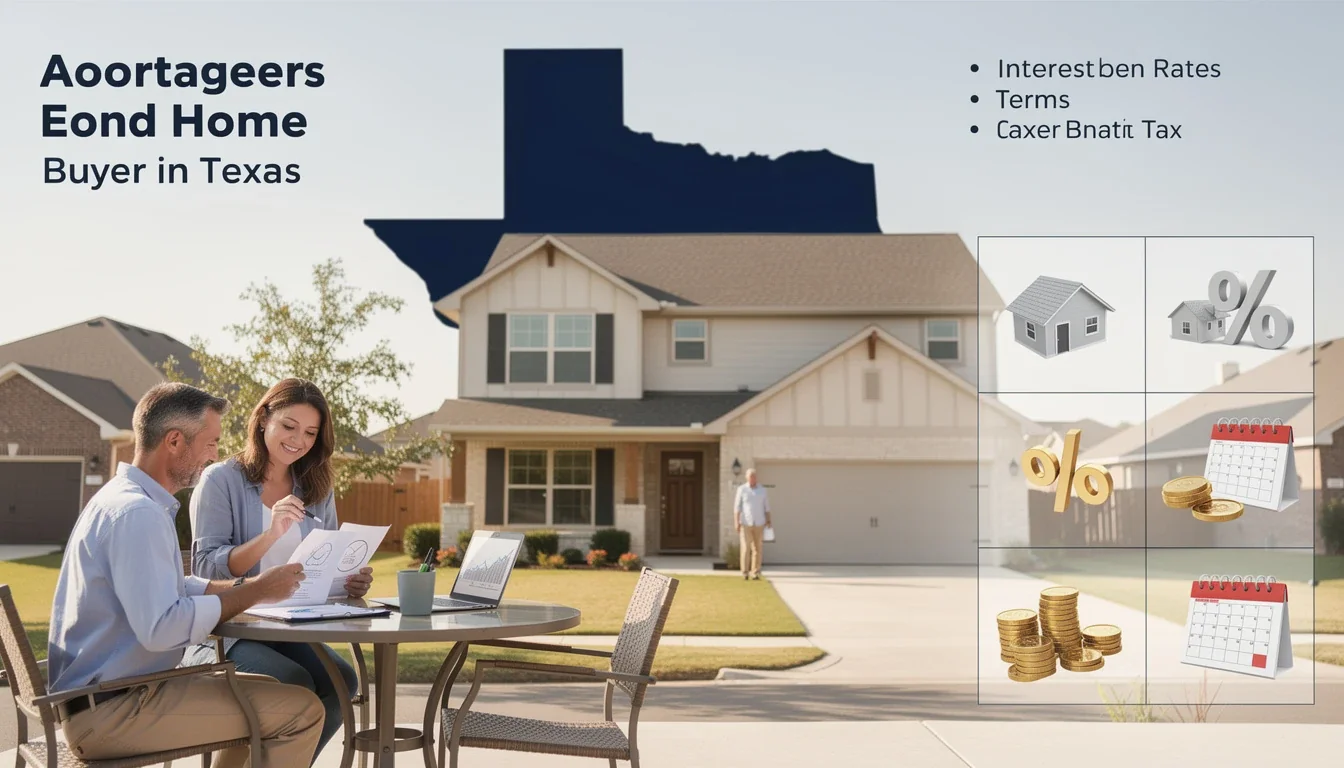
Buying a second home is a little different than buying your primary residence. For starters, lenders see second homes as riskier than your main home. Why? If finances ever get tight, you’re more likely to prioritize payments on where you actually live. Because of this, lenders typically have stricter requirements for second homes—think bigger down payments, slightly higher credit scores, and a close look at your debt-to-income ratio.
Another thing: second home mortgages aren’t the same as investment property loans. If you’re planning to rent the place out full-time, that’s a whole different ball game. But if you’re buying a spot for occasional family getaways or to split your time between two places, you’re in the right lane.
Pro tip: Before you fall in love with that Hill Country cottage, check that it meets the lender’s definition of a “second home.” It usually has to be a reasonable distance from your primary home and suitable for year-round occupancy.
Conventional Loans: The Most Popular Choice
For most Texans buying a second home, a conventional loan is the way to go. These are mortgages that aren’t backed by the government, and they’re offered by most banks, credit unions, and brokers (like us here at Casey Sullivan Mortgage).
With a conventional loan, you’ll typically need at least 10% down, though some lenders may ask for more depending on your credit and the property. Rates are competitive, but expect them to be a tad higher than what you’d get for a primary home. The underwriting process also takes a closer look at your finances, so be ready to show you can handle two mortgage payments at once.
One of the best things about conventional loans is flexibility. You can choose from fixed-rate or adjustable-rate options, and loan limits are pretty generous—especially if you’re looking at properties in pricier areas.
Pro tip: If you can swing a 20% down payment, you’ll avoid private mortgage insurance (PMI), which can save you thousands over the life of the loan.
Jumbo Loans: For High-End Second Homes
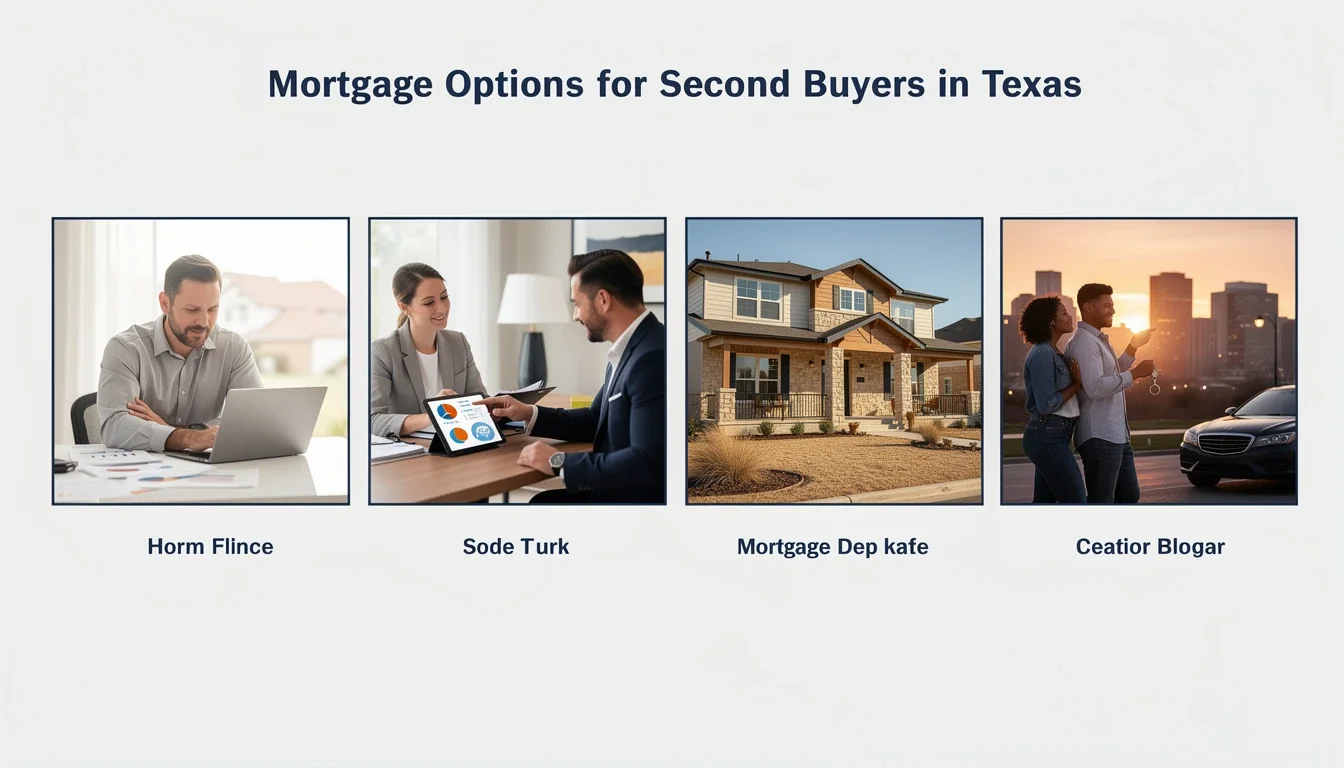
Texas has some seriously stunning properties, and if you’re eyeing a luxury second home, you might need a jumbo loan. These are loans that exceed the conforming loan limits set by Fannie Mae and Freddie Mac. For 2024, that limit is $766,550 in most Texas counties, but it can be higher in certain areas.
Jumbo loans come with their own set of rules. You’ll generally need a higher credit score (think 700+), a larger down payment (sometimes 20% or even 30%), and extra documentation about your assets and income. The rates for jumbo loans can be slightly higher, but for many buyers, it’s worth it to land that dream home on the lake or a sprawling Hill Country estate.
At Casey Sullivan Mortgage, we work with a wide range of jumbo lenders, so we can help you shop around for the best deal and streamline the paperwork.
Pro tip: Jumbo loans can take longer to process due to stricter requirements. Start gathering your tax returns, bank statements, and investment info early to keep things moving smoothly.
Government-Backed Loan Options
While most government-backed loans (like FHA, VA, and USDA loans) are designed for primary residences, there are some exceptions worth exploring if you’re a second home buyer in Texas.
For example, if you’re a qualifying veteran and you haven’t used your full VA entitlement, you might be able to use a VA loan for a second property in some circumstances—like relocating for work while keeping your original home. It’s not common, but it’s possible. FHA and USDA loans, on the other hand, are generally off the table for second homes.
If you’re looking to buy a second home for a relative (like an aging parent), certain loan programs may allow this under “family occupancy” rules. Our team can walk you through the details to see if you’re eligible.
Pro tip: If you’re unsure what you qualify for, reach out early. We can help you untangle the fine print, so you don’t waste time chasing the wrong mortgage.
Down Payments, Rates, and Other Costs
One of the biggest differences when buying a second home in Texas is the down payment. For most loans, you’ll need at least 10%, and 20% or more is even better. Your credit score matters a lot, too—aim for 700 or higher for the best rates and terms.
Interest rates for second homes are typically a bit higher than for primary residences, but they’re still quite competitive. Closing costs will be similar to what you paid the first time around—think lender fees, appraisal, title insurance, and so on.
Don’t forget about ongoing costs. You’ll need to budget for property taxes, insurance (which can be higher for second homes), maintenance, and possibly HOA fees. Some lenders may require you to have extra reserves in the bank—enough to cover several months of payments on both homes.
Pro tip: Shop around for insurance early, especially if your second home is near the coast or in a flood-prone area. Some places in Texas have higher premiums or special requirements.
Qualifying for Your Second Home Mortgage
Qualifying for a second home mortgage is all about showing you can handle the extra financial responsibility. Lenders look closely at your debt-to-income (DTI) ratio—generally, they want it under 43%, though some programs allow higher. They’ll also want to see solid credit (ideally 700+), stable income, and proof that you have enough cash for the down payment and reserves.
If you’re keeping your current home and buying a second one, you’ll need to show you can afford both. If you plan to rent out your current home, some lenders will let you count projected rental income to help you qualify, but the rules are strict and documentation-heavy.
Our approach at Casey Sullivan Mortgage is to get to know your full financial picture and help you present the strongest application possible. We’ll walk you through every step, answer your questions, and make sure you’re totally clear on what’s needed at each stage.
Pro tip: Don’t move money between accounts or make big purchases while you’re applying for a mortgage. Lenders need to see a stable financial picture—and surprises can slow things down.
The Casey Sullivan Mortgage Difference
We know that buying a second home can feel overwhelming. There’s a lot to consider, from loan options and rates to insurance and taxes. But you don’t have to figure it all out alone. At Casey Sullivan Mortgage, we take a hands-on, personal approach. Our Texas-based team brings years of experience working with second-home buyers, and we’re here to answer your questions—big or small.
We’ll help you compare loan programs, explain everything in plain English, and navigate any curveballs to gether. Our goal is to make the mortgage process as smooth and stress-free as possible, so you can focus on the fun part—enjoying your new getaway.
Pro tip: Start the conversation early, even if you’re just thinking about buying. The more time we have to plan, the more options you’ll have.
Conclusion
Buying a second home in Texas is an exciting step, whether you’re building family memories, investing in your future, or just looking for a change of scenery. There are plenty of mortgage options out there, and choosing the right one can make all the difference. If you’re ready to explore your options, talk things through, or just get some friendly advice, the team at Casey Sullivan Mortgage is here to help. We’ll walk with you every step of the way, so you can turn that second-home dream into a reality. Let’s make it happen—to gether.